Introduction to Swarms and Complexity
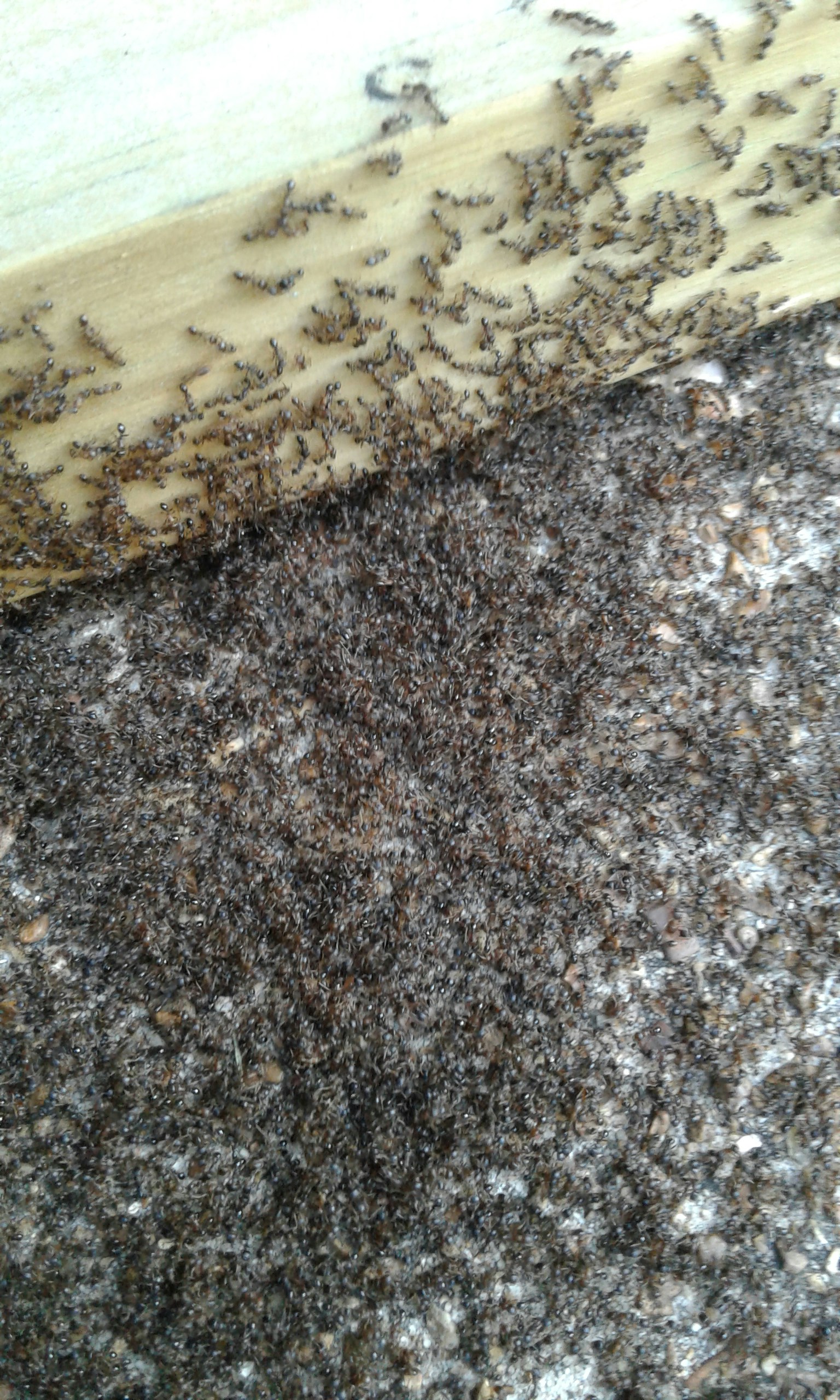
Swarms refer to groups of individuals, or agents, that exhibit collective behaviors, often observed in nature, such as in flocks of birds, schools of fish, or colonies of ants. The intricate patterns and organization that emerge from these groups stem from the simple, local interactions among individual agents, allowing them to coordinate and respond adaptively to their environment. This concept of swarming is increasingly applied beyond the natural world into various fields including robotics and artificial intelligence, where it becomes a powerful model for solving complex problems.
The behavior of swarms is typically characterized by self-organization, which refers to the ability of the group to structure itself without centralized control. Each agent acts based on predefined rules, often influenced by its neighbors. Through this decentralized approach, swarms can solve problems that are difficult for a single agent or centralized system to tackle. For example, swarm intelligence has been harnessed in developing algorithms that can optimize paths for logistics, enhance resource allocation, and even enable efficient data processing.
In robotics, swarms of drones or robotic agents can collaborate to carry out tasks such as search and rescue operations, precision agriculture, or environmental monitoring. Each robot in the swarm possesses limited capabilities, yet when combined, they can accomplish highly complex missions through the synergy of their interactions. Similarly, in artificial intelligence, swarm-based algorithms replicate natural phenomena, blending machine learning with optimization techniques to find solutions in dynamic environments.
This introduction to swarms sets the foundation for a deeper exploration into how these specialized agents tackle complex challenges not only in nature but also in technological innovations today. The next sections will delve into specific applications and advantages of employing swarm intelligence across various sectors.
Understanding Complex Problems
Complex problems are multifaceted issues that are characterized by unpredictability, interdependence, and the necessity for adaptive strategies. Unlike simple problems, which can often be resolved through straightforward solutions, complex problems require a deeper understanding and a more nuanced approach. To illustrate the nature of complex problems, let us delve into their defining characteristics.
One of the primary traits of complex problems is unpredictability. In many scenarios, the outcomes are not easy to forecast due to numerous variables that affect the situation. For example, climate change exemplifies a complex problem where various environmental, economic, and societal factors interplay, influencing future conditions in ways that are difficult to fully predict. The inherent unpredictability demands that any approach to solving this issue must be flexible and evolving as new data becomes available.
Interdependence is another hallmark of complex problems. Systems involving multiple components that influence one another create a web of connections, making it essential to understand the interactions that occur within these systems. An example can be seen in healthcare systems, where patient outcomes can be influenced by medical, social, and economic factors that all interact. Challenge arises as changes in one aspect can lead to unforeseen consequences in another, demonstrating the necessity of taking a holistic approach.
The need for adaptive strategies is paramount when addressing complex issues. Solutions must evolve with changing information and conditions. In rapid technological advancement, industries often face complex problems requiring innovation and adaptation. The development of autonomous vehicles, for instance, necessitates ongoing adjustments to algorithms based on real-time data concerning road conditions and traffic patterns.
These examples underscore the diversity of applications where swarm intelligence might be effectively deployed, as it allows for flexibility and adaptability in addressing complex problems. Harnessing the power of specialized agents working together can be a valuable method for navigating these challenging landscapes.
The Science Behind Swarm Intelligence
Swarm intelligence is a fascinating phenomenon observed in nature, particularly within groups of organisms such as birds, fish, and insects. This behavior showcases how individual agents can collaborate systematically to solve complex problems through collective behavior. The driving mechanisms behind swarm intelligence are primarily local interactions, simple behavioral rules, and decentralized decision-making. These components work synergistically to enable swarms to address challenges that would be insurmountable for solitary agents.
Local interactions refer to the way individual agents communicate and respond to their nearest peers within the swarm. Instead of depending on a central leader, each agent makes decisions based on the actions of its immediate neighbors. For instance, in a flock of birds, a single bird will adjust its movement based on the positions of surrounding flock members. This decentralized approach allows for rapid adaptation to changing environments without the need for extensive communication, showcasing the efficiency of swarm behavior.
The application of simple rules is equally critical in swarm intelligence. Agents often operate under straightforward protocols that dictate their movements and decisions. For example, in a swarm of ants searching for food, an individual ant follows basic rules like moving towards pheromone trails left by its peers. This simplicity ensures that large groups of agents can coordinate effectively, leading to optimal collective outcomes despite each agent’s limited knowledge of the entire system.
Decentralized decision-making is a fundamental aspect that enables swarms to function without a singular authority figure guiding them. This strategic distribution of influence makes swarms remarkably resilient; they can adapt to disturbances or changes in their environment seamlessly. As a result, swarm intelligence emerges as a powerful solution to intricate problems, allowing the collective to outperform the capabilities of isolated agents significantly.
Case Studies of Swarm Applications
Recent advancements in the study and application of swarms have provided significant insights into solving complex problems across various domains. One of the most well-understood examples is found in biological swarms, such as those created by ants or bees. Ants display remarkable foraging behavior where individual ants follow simple rules yet collectively find the shortest path to food sources. This natural phenomenon is utilized in algorithms like Ant Colony Optimization (ACO), which helps in routing and logistics, ultimately aiding systems that need to optimize resource allocation.
Robotic swarms, inspired by biological counterparts, have emerged as another powerful application especially in disaster relief scenarios. These robotic systems, often deployed in situations where human intervention is hazardous, can work collaboratively to perform search and rescue operations. For instance, in recent earthquakes, teams of small, autonomous drones designed to mimic swarm behavior were able to quickly traverse rubble and identify trapped victims using real-time data and collective decision-making processes. Such applications demonstrate the potential of swarm robotics in enhancing efficiency and effectiveness during crises.
Furthermore, swarm-inspired algorithms are revolutionizing fields like logistics. Swarm intelligence mechanisms are employed to solve logistical challenges such as fleet management and warehouse operations. By simulating the collaborative nature of natural swarms, these algorithms help organizations to dynamically allocate resources, reduce costs, and improve service quality. For example, companies utilizing swarm algorithms have reported enhanced delivery times and optimized inventory management, showcasing how complex problems can be approached through collective intelligence.
Advantages of Using Swarms for Problem Solving
Swarm intelligence refers to the collective behavior of decentralized, self-organized systems, particularly those observed in nature, such as in ant colonies and flocks of birds. One of the significant advantages of utilizing swarms for problem solving is their inherent scalability. Swarm-based systems can easily adjust the number of agents involved in the problem-solving process. As the complexity of the problem increases, additional agents can be introduced without losing operational efficiency. This flexibility allows swarm intelligence to tackle large-scale problems effectively, unlike traditional methods which may become cumbersome and less efficient as the task scale grows.
An additional benefit of swarm intelligence is its resilience to failures. In a swarm, if one or several agents become ineffective or are removed, the overall performance of the system is not significantly affected. This contrasts sharply with traditional centralized systems, where the failure of a single component can lead to a catastrophic breakdown. The distributed nature of swarms enhances their robustness, ensuring continuous operation in various environments.
Moreover, swarm intelligence exhibits remarkable adaptability. Agents within a swarm can quickly react to changing conditions and modify their behaviors accordingly. This property is particularly advantageous in dynamic environments where problems evolve swiftly. For instance, in scenarios like traffic management or resource allocation, swarm algorithms can adjust their strategies for optimizing outcomes in real time.
Finally, efficiency is a hallmark of swarm-based approaches. Swarm algorithms often find optimal or near-optimal solutions faster than conventional methods because they exploit parallel processing. Various agents work simultaneously, exploring multiple solutions in a distributed manner. This parallelism, combined with the agents’ ability to share information, leads to more efficient problem-solving strategies. Overall, these advantages demonstrate why swarms of specialized agents can outperform traditional methods in tackling complex problems.
Challenges and Limitations of Swarm Approaches
While swarm intelligence presents numerous advantages in tackling complex problems, it is not without its challenges and limitations. One of the primary issues confronting swarm systems is coordination failure. Since swarm agents operate semi-independently and often rely on simple local rules, the emergence of coherent global behavior can be hindered. Without effective coordination, the agents may end up working at cross purposes, leading to decreased overall efficiency.
Another significant challenge stems from communication issues between agents. In many swarm systems, agents communicate using signals or behaviors that are inherently local or limited in scope. This limitation can lead to misunderstandings or misinterpretations of the collective objective. Furthermore, if an agent becomes incapacitated or its communication fails, it may disrupt the entire swarm’s functionality, showcasing vulnerability in system resilience.
Moreover, the design of specialized agents also poses complexities that can impact performance. Creating agents that are adept in specific tasks requires not only advanced programming and engineering skills but also a deep understanding of the domain in which they will operate. If the specialized agents fail to adequately adapt or respond to unforeseen changes in their environment, the entire system’s effectiveness may be compromised. The integration of diverse skill sets in swarm agents, while potentially advantageous, complicates the design process, necessitating careful consideration of trade-offs between generality and specialization.
In light of these challenges and limitations, it becomes evident that while swarm approaches hold promise for solving complex problems, recognizing and addressing potential pitfalls is essential for their successful deployment. A thorough understanding of these issues will facilitate the development of more robust and efficient swarm systems capable of navigating intricate problem landscapes.
Future of Swarm Intelligence in Solving Complex Problems
As we venture into the future, the potential of swarm intelligence to address complex problems is becoming increasingly significant. This innovative approach, inspired by the collective behavior observed in nature, particularly in social insects like ants and bees, has demonstrated promise across various disciplines, including artificial intelligence, robotics, and bio-inspired computing. The convergence of these fields is likely to propel the development of swarm technologies that not only augment existing systems but also generate entirely new capabilities.
Advancements in artificial intelligence are enhancing the decision-making processes within swarm systems. As machine learning algorithms become more sophisticated, they allow swarms to analyze and adapt to dynamic environments more efficiently. This improvement paves the way for autonomous swarms that can tackle complex, real-world problems, spanning from disaster response to environmental monitoring and smart city management. The ability of these agents to learn from their surroundings and from each other will be an essential aspect of their evolution.
In the realm of robotics, the integration of swarm intelligence is likely to lead to the development of more versatile and resilient robotic systems. Future robotic swarms can operate as cohesive units, performing tasks in coordination that a single robot would struggle to achieve alone. This capability is particularly relevant in sectors such as agriculture, healthcare, and search and rescue operations, where collaborative efforts can significantly enhance efficiency and effectiveness.
Furthermore, bio-inspired computing offers new computational paradigms that could revolutionize how we solve complex problems. By mimicking the self-organizing principles found in natural swarms, researchers can design algorithms that are inherently adaptable and robust. These developments may facilitate innovative solutions to pressing challenges in fields such as logistics, cybersecurity, and artificial life simulations. As research and technology continue to advance, the impact of swarm intelligence will undoubtedly grow, providing unparalleled solutions to complex problems across multiple domains.
Ethical Considerations and Responsible Use of Swarm Technology
The emergence of swarm technology prompts a critical examination of ethical considerations essential for its responsible application. As systems leveraging swarm intelligence exhibit autonomous behavior, questions arise regarding the extent of their decision-making authority. How these specialized agents operate could lead to outcomes that challenge normative ethical frameworks, particularly concerning accountability when actions lead to unintended consequences.
One primary concern involves the autonomy of swarm agents. These systems, which function through decentralized, collective decision-making processes, may act independently in unpredictable ways. This raises ethical dilemmas about the level of human control over automated systems, particularly in contexts where decisions might significantly impact others’ lives. Establishing clear guidelines for human oversight is critical to ensuring that the deployment of swarm technology aligns with societal values and norms.
Moreover, the societal impacts of adopting swarm systems merit serious consideration. For instance, in applications spanning military operations, public safety, and environmental monitoring, the ramifications of swarm technology can extend widely. Ethical frameworks must navigate scenarios in which swarm agents might be used to conduct surveillance or enforce control, raising questions of privacy and civil liberties. As such, ethical deliberations surrounding swarm intelligence should be inclusive, factoring diverse perspectives to comprehensively assess potential societal consequences.
Furthermore, there is a crucial need for transparency regarding the algorithms and data that guide swarm systems. Developing standards for explainability and ensuring the interpretability of decision-making processes employed by swarm agents will foster public trust. By addressing ethical concerns proactively, stakeholders can promote responsible use of swarm technology, ensuring it serves the collective good while minimizing risks associated with its deployment.
Conclusion
In reviewing the role of swarms of specialized agents in addressing complex problems, it is evident that these collaborative systems offer significant potential across various fields. Their ability to operate with a level of autonomy, adaptability, and scalability provides them with unique advantages that traditional problem-solving methods often lack. By leveraging the collective intelligence of multiple agents, swarms can efficiently process large amounts of data and generate solutions that would be challenging for an individual or smaller group to conceive.
Moreover, the diversity found within swarm agents enhances their problem-solving capabilities as each agent can bring a unique set of skills and knowledge to the task at hand. This diversity enables the swarm to explore multiple solutions concurrently, leading to more innovative outcomes. The dynamic nature of swarm behavior allows for real-time adjustments to strategies as conditions evolve, further underscoring their effectiveness in complex environments.
However, it is essential to recognize the limitations that accompany swarm intelligence. The success of swarms is influenced by the design of the agents, the algorithms governing their interactions, and the environments in which they operate. Challenges such as communication breakdowns, lack of coordination, and difficulties in managing large populations can hinder performance. Thus, while swarms demonstrate remarkable potential in solving intricate issues, their deployment must be approached judiciously.
In conclusion, swarms of specialized agents present a promising avenue for addressing complex problems, harnessing collective intelligence and adaptability. A balanced perspective that acknowledges both the capabilities and limitations of swarm intelligence will be crucial as researchers and practitioners continue to explore their applications in diverse scenarios.