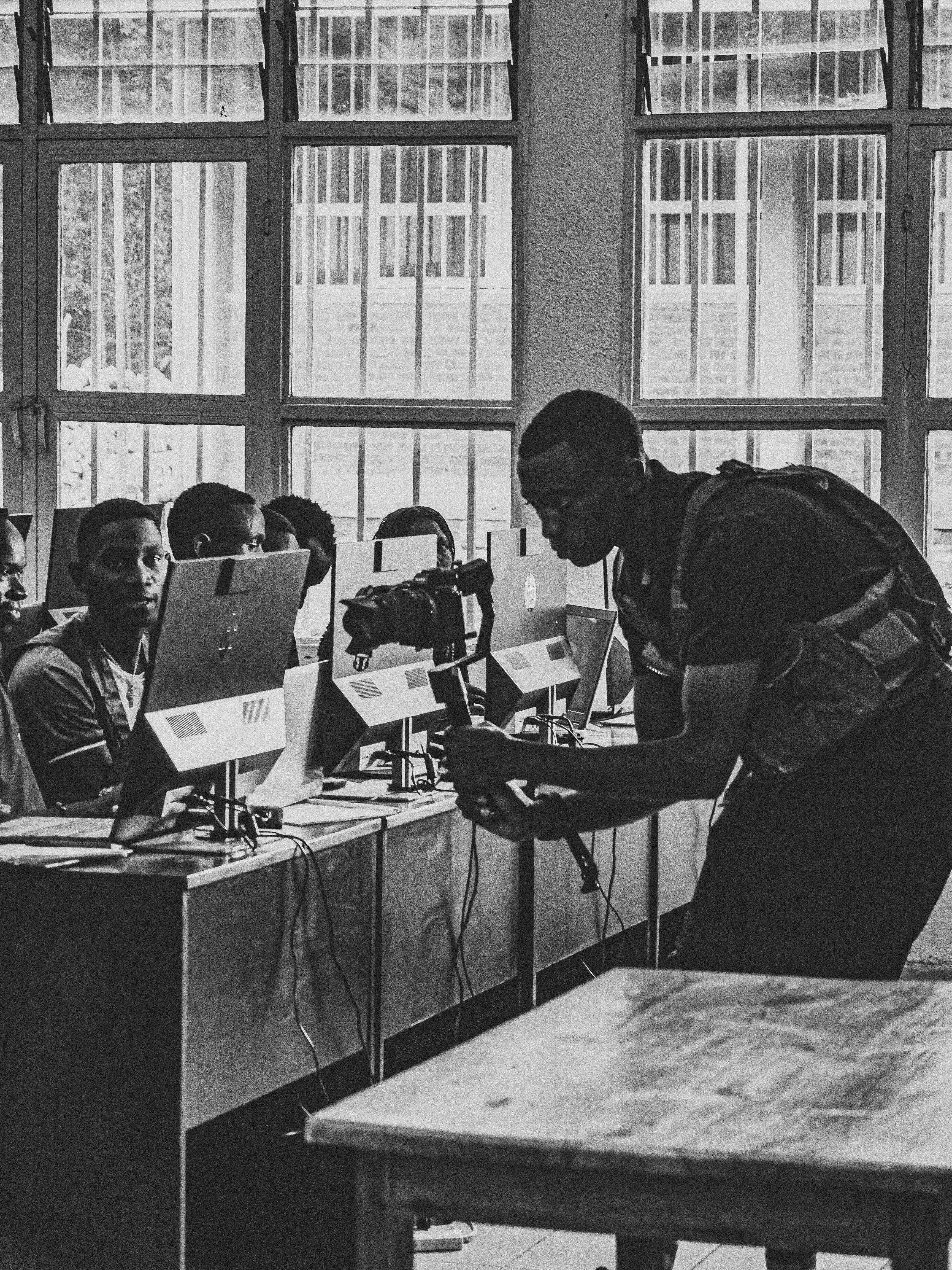
Introduction to AI in Education
In recent years, artificial intelligence (AI) has made significant strides across numerous fields, including education. As an advanced technological system, AI has the potential to transform teaching practices and offer substantial benefits within the classroom environment. At its core, AI refers to systems that can mimic human intelligence, enabling them to perform tasks such as learning, reasoning, and problem-solving efficiently.
Within the educational realm, various AI technologies have emerged, including intelligent tutoring systems, natural language processing applications, and predictive analytics. Intelligent tutoring systems, for example, personalize the learning experience by adapting to an individual student’s needs, thereby enhancing engagement and comprehension. Furthermore, natural language processing allows for improved interactions between students and educational content, enabling more effective communication and comprehension. Predictive analytics can assist educators in identifying at-risk students and allocating resources more effectively, thus facilitating timely intervention.
AI is already being utilized in classrooms around the globe, allowing educators to focus more on personalized instruction while AI handles various administrative tasks. For instance, AI can automate grading and assessment processes, freeing up valuable time for teachers to devote to lesson planning and student engagement. This technology not only streamlines operational functions but also enhances the overall educational experience by providing insights that aid in instructional decision-making.
As we delve deeper into the attributes of AI within education, it is essential to consider the specific advantages it offers, particularly in reducing administrative burdens that often plague resource-constrained classrooms. By leveraging AI’s capabilities, we can re-imagine the role of educators, enabling them to concentrate on fostering a rich and supportive learning environment.
Understanding Administrative Burdens in Resource-Constrained Classrooms
In many resource-constrained classrooms, teachers often face a myriad of administrative burdens that significantly detract from their primary role of educating students. These burdens can take various forms, including, but not limited to, grading assignments, lesson planning, and data entry. Each of these tasks requires considerable time and effort, which can lead to decreased efficiency and increased stress for educators.
Grading assignments, for instance, typically involves not only evaluating student performance on tests and homework but also providing constructive feedback. In environments where class sizes are large and resources are limited, this essential feedback process can become excessively time-consuming. Teachers may find themselves dedicating countless hours to ensure that every student receives the attention they deserve, which ultimately impacts their ability to focus on instructional strategies that enhance learning.
Lesson planning is another area where administrative burdens manifest. Crafting effective lesson plans that align with educational standards requires thoughtful consideration and often access to various digital resources. In underfunded classrooms, the lack of tools and materials may further complicate this process, forcing teachers to invent creative solutions while also juggling their other responsibilities.
Moreover, data entry related to student assessments and attendance tracking can consume extensive amounts of time. The necessity to maintain accurate records not only adds to the workload but also diverts attention away from student engagement and quality teaching. Ultimately, these administrative demands can lead to teacher burnout, reduced job satisfaction, and a decrease in educational quality, which adversely impacts student learning outcomes.
Understanding the profound implications of administrative burdens in resource-constrained classrooms is crucial. Recognizing these challenges allows for a more focused effort to integrate supportive solutions, such as artificial intelligence, which can help alleviate some of these pressures and enhance the educational experience for both teachers and students.
AI Tools to Streamline Administrative Tasks
In recent years, the integration of Artificial Intelligence (AI) in educational settings has transformed how teachers manage their administrative responsibilities. These advancements are particularly beneficial in resource-constrained classrooms, where educators face overwhelming workloads. A range of AI tools is available that specifically cater to various administrative tasks, helping to create a more efficient learning environment.
One prominent category of such tools is automated grading systems. These AI-driven platforms allow educators to assess student assignments quickly and maintain consistent grading standards. By using natural language processing and machine learning algorithms, these systems can evaluate essays and multiple-choice responses more efficiently than traditional methods, providing immediate feedback to students and saving precious time for teachers.
Another innovative tool is the lesson planning assistant. These AI applications aid educators in devising lesson plans by suggesting resources, activities, and assessment strategies tailored to specific learning objectives and student needs. With the help of AI, teachers can customize their curricula, incorporate diverse teaching methods, and ensure that their lessons meet the mandated educational standards while minimizing the time spent on planning.
Lastly, student data management technologies represent a crucial development in educational administration. These AI tools help streamline the collection, analysis, and storage of academic performance data. By automating these processes, teachers can easily track student progress, identify learning gaps, and tailor their instructional strategies based on comprehensive insights. The ability to manage student data effectively not only alleviates the administrative burden but enhances the educator’s capacity to support student learning.
Overall, these AI tools are invaluable for teachers, providing them with the support they need to focus more on instruction and less on bureaucracy in the classroom.
Case Studies: Successful Implementation of AI in Classrooms
In recent years, numerous schools and educators have successfully integrated artificial intelligence (AI) tools into their teaching environments, effectively reducing administrative burdens and enhancing educational outcomes. These real-life examples showcase the practical application of AI, highlighting initial challenges, solutions implemented, and the significant outcomes achieved.
One notable case study comes from a school district in California, which faced a chronic issue of staff overload due to administrative tasks. Teachers spent considerable time on grading and administrative reporting, diverting their focus from student engagement and instruction. The district implemented an AI-powered grading software that automated the assessment of student assignments. This innovation not only expedited the grading process but also provided teachers with more time to interact with students and personalize their learning experiences. After implementation, educators reported a 40% reduction in time spent on grading tasks, leading to an increase in instructional time.
Another successful example is found in a primary school in Texas that utilized a chatbot-based AI system to handle routine inquiries from parents and students. Before AI implementation, teachers and administrative staff were frequently interrupted with questions related to school policies, schedule changes, and other procedural matters. By deploying the AI chatbot, the school was able to streamline communication effectively. The chatbot handled approximately 60% of inquiries, allowing teachers to focus on classroom management and student engagement. The result was a noticeable improvement in teacher satisfaction and a more positive learning environment.
A further instance can be observed in a high school in Illinois, where data analytics tools powered by AI were introduced to track student performance. This technology helped educators identify students at risk of falling behind academically. By utilizing AI for data analysis, the school was able to implement timely interventions and support, ultimately improving overall student achievement rates. The initial challenge of overwhelmed staff with data management transformed into a systematic approach to personalized student support.
The Role of AI in Personalized Learning
Artificial Intelligence (AI) plays a pivotal role in enhancing personalized learning experiences, catering to the unique needs of each student. By utilizing adaptive learning technologies, AI systems analyze individual performance and learning patterns to tailor educational content accordingly. This personalization enables students to progress at their own pace while receiving targeted support where needed.
One notable application of AI in educational settings is through intelligent tutoring systems. These systems provide students with customized exercises that focus on their specific areas of difficulty, creating a supportive learning environment. As a result, students who may otherwise struggle in traditional teaching settings can benefit from immediate feedback and adjustments tailored to their individual learning preferences. This approach not only helps in bridging learning gaps but also fosters a sense of autonomy and motivation among learners.
Moreover, AI can assist educators in developing more effective teaching strategies by analyzing large datasets related to student performance. Through data analytics, AI can identify trends and patterns that are often overlooked in resource-constrained environments. This insight enables teachers to make informed decisions about instructional methods and content delivery. With AI managing the intricacies of data analysis and student assessment, teachers are empowered to focus on more significant aspects of their roles, such as mentoring and engaging with students directly.
In essence, AI’s integration into personalized learning frameworks significantly alleviates the administrative burdens placed on teachers. By streamlining differentiation tactics and providing tailored educational experiences, AI empowers educators to create meaningful interactions within the classroom. Consequently, this leads to a more effective and enriching learning environment, which is invaluable in resource-constrained classrooms.
Challenges and Limitations of AI in Education
While artificial intelligence (AI) offers significant potential to assist educators, its implementation in resource-constrained classrooms is not without challenges and limitations. One major barrier is the technological infrastructure necessary for effective AI integration. Many classrooms, particularly in underfunded areas, may lack adequate hardware and internet connectivity. This technological disparity can hinder the successful deployment of AI tools, leading to uneven educational outcomes across different environments.
Data privacy and security concerns also present critical challenges to AI adoption in education. The collection and processing of student data are fundamental to AI functioning, yet many schools might struggle to comply with existing privacy regulations. Ensuring that sensitive information is protected while still harvesting the benefits of AI tools poses a substantial challenge. Educators and administrators must balance leveraging AI for improved learning experiences with protecting student privacy, which can create a considerable source of apprehension among stakeholders.
Furthermore, there is an essential need for comprehensive teacher training and ongoing support when implementing AI-driven educational technologies. Without the proper training, teachers may feel overwhelmed or ill-equipped to use AI tools effectively, leading to suboptimal use and potentially negating the advantages AI could bring to the learning environment. Teaching staff requires not only training on technological functionalities but also on how to interpret AI-generated insights to enhance personalized learning strategies.
In light of these challenges, it is clear that while AI holds promise as an ally in educational settings, careful consideration and strategic planning are necessary to address the barriers to its effective implementation in resource-constrained classrooms. Addressing these limitations requires collaboration between policymakers, educators, and technology developers to create feasible solutions that will truly benefit all stakeholders.
Future Trends: AI and the Evolving Role of Teachers
As we look ahead, the integration of artificial intelligence (AI) within educational settings is expected to shape the future landscape of teaching and learning significantly. One anticipated trend is the development of more sophisticated AI tools designed specifically to support teachers in their daily responsibilities. These innovations will likely include advanced data analytics capabilities that allow educators to gain deeper insights into student performance and engagement. By harnessing the power of AI, teachers can tailor their instruction to meet diverse learning needs while also identifying areas where students may be struggling.
Another trend in AI technology is the rise of intelligent tutoring systems that can provide personalized feedback to students in real-time. Such systems will not only enhance the learning experience for students but also enable teachers to focus on higher-level instructional tasks. By taking over repetitive grading and assessment duties, AI can empower teachers to invest more time in fostering critical thinking and creativity among their students. This shift not only clarifies the role of educators as facilitators of learning but also enhances their capacity to cultivate meaningful relationships with students.
However, it is vital to recognize that while AI can serve as a powerful ally, the irreplaceable human elements of education cannot be overlooked. Teachers possess emotional intelligence and the ability to connect with students on a personal level, which AI cannot replicate. As we embrace the future, a collaborative approach will be essential—where AI serves to augment and not replace the teacher’s role in the classroom. By blending technology with pedagogical expertise, educators can create enriched learning environments that not only respond to the administrative burdens but also prioritize the essential human interactions that contribute to effective teaching.
Strategies for Successful AI Integration
In the evolving landscape of education, integrating artificial intelligence (AI) tools presents both opportunities and challenges for educators, particularly in resource-constrained classrooms. To effectively leverage these technologies while minimizing burdens, several strategies can be adopted.
First and foremost, the selection of appropriate AI technologies is crucial. Educators should assess their specific needs, curricular goals, and existing resources before making a choice. Solutions like AI-driven grading systems, personalized learning platforms, or chatbots for administrative support can significantly alleviate workload. Conducting pilot tests with small groups can reveal the effectiveness of these tools while allowing for adjustments based on user feedback.
Subsequently, professional development and training for staff are essential to ensure that all educators are equipped with the requisite skills to implement AI technologies effectively. Workshops, online courses, and collaborative training sessions can empower teachers not only to understand the technical aspects of AI but also to integrate these tools seamlessly into their instructional strategies. Encouraging a culture of lifelong learning among educators will foster a supportive environment for adopting innovation.
Another vital component is ensuring that the use of AI remains ethical and transparent. Educators must consider the ethical implications of AI implementation, including data privacy, consent, and the potential for bias within algorithms. Developing clear policies regarding data usage and AI engagement will help maintain trust among students, parents, and staff. It is essential for educators to remain informed about evolving ethical standards in AI and to prioritize the welfare of students above all.
By strategically selecting technologies, providing adequate training, and monitoring ethical practices, educators can effectively integrate AI into their classrooms, enhancing teaching and learning while reducing administrative burdens in a resource-constrained environment.
Conclusion: Embracing AI as a Partner in Education
As we delve into the integration of artificial intelligence in the educational sector, it becomes increasingly clear that AI serves as a beneficial ally for teachers, particularly in resource-constrained environments. The administrative burdens imposed on educators can often detract from the primary focus of teaching. Technologies such as AI can streamline these administrative tasks through automation, allowing teachers more time to engage deeply with their students. This shift not only alleviates workload but also enhances instructional quality.
Furthermore, the potential of AI extends beyond mere administrative support. By leveraging AI tools, teachers can gain insights into individual student performance, enabling personalized learning experiences that cater to the unique needs of each pupil. This personalization can be crucial in underfunded classrooms, where resources may be scant and attention to student diversity is paramount. The use of AI in this capacity creates opportunities for more tailored instruction, which can lead to improved academic outcomes and student engagement.
Nevertheless, while the advantages of incorporating AI in educational settings are evident, it is essential to remember that technology should complement, not replace, human interaction. The teacher-student relationship remains a pivotal element of the learning experience. AI can assist in reducing administrative pressures, but it cannot replicate the empathy, mentorship, and emotional support that educators provide. Therefore, successful implementation of AI tools requires a balanced approach that embraces technological advancements while upholding the essential human elements of teaching.
In conclusion, the journey of integrating AI into classrooms is not merely about replacing traditional methods but redefining them. Embracing AI as a partner offers significant potential to transform the educational landscape, particularly in resource-limited settings. By strategically utilizing these tools, educators can optimize their time and resources, ultimately benefiting both teachers and students.