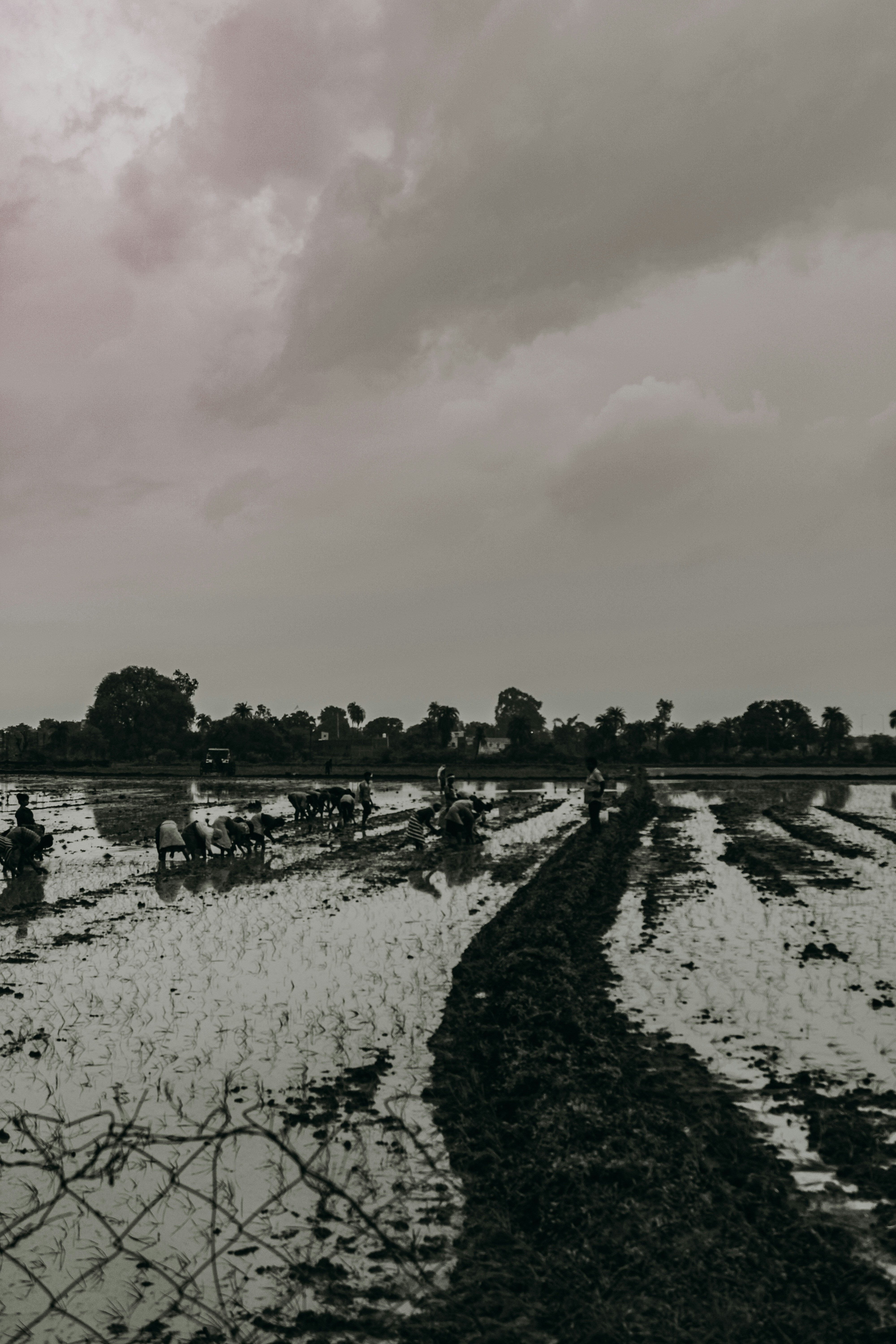
Bihar, a state in eastern India, has long battled the adverse effects of flooding due to its unique geographical and climatic conditions. Encompassing the fertile plains of the Ganges River, Bihar is bordered by Nepal to the north and experiences heavy monsoon rains that exacerbate its vulnerability to floods. The average annual rainfall in the region is around 1,200 millimeters, with a significant portion occurring during the monsoon months from June to September. This seasonal deluge, combined with the topographical layout of the land, causes rivers and tributaries to overflow, leading to widespread inundation.
Historically, Bihar has faced recurring flood episodes, with some of the most devastating floods recorded in 2004, 2007, and 2017. These events have caused significant loss of life, displacement of communities, and considerable damage to infrastructure and agriculture. The flooding in 2008 alone affected over 2 million people and destroyed thousands of hectares of crops, severely impacting the state’s food security and economy. Agricultural practices, which form the backbone of Bihar’s rural economy, are particularly susceptible to these floods, resulting in loss of livelihoods for farmers and food shortages.
Beyond immediate impacts, the repercussions of flooding in Bihar extend to long-term socio-economic factors. Access to healthcare, education, and essential services becomes compromised during floods, leaving communities in perilous situations. Additionally, the destruction of homes and infrastructure leads to significant financial strain on families and the state government. These challenges underscore the need for effective flood prediction and management systems that leverage modern techniques and models to mitigate the risks posed by these natural disasters.
In light of Bihar’s persistent flooding challenges, understanding and improving flood prediction methodologies is critical. By addressing the complex interplay of geography, climate, and human activity, stakeholders can develop more comprehensive strategies to respond to future flood events and protect vulnerable populations.
Understanding Reasoning Models in Predictive Analysis
In the realm of predictive analysis, reasoning models play a crucial role in enhancing the accuracy and reliability of forecasts. These models can be defined as systematic frameworks that utilize historical data, establish patterns, and apply logical reasoning to generate informed predictions about future events. In various fields, especially in environmental science, reasoning models have proven to be instrumental in anticipating occurrences such as natural disasters, including flooding.
Reasoning models operate by analyzing past incidents and extracting significant features that may influence future outcomes. For instance, in the context of flood prediction, these models can dissect historical weather patterns, river flow rates, soil saturation levels, and geographical data to identify potential risks of flooding. By leveraging such data, reasoning models provide decision-makers with the analytical insights necessary to prepare for and mitigate such disasters.
One significant aspect of reasoning models is their ability to adapt and refine predictions based on new data inputs. As environmental conditions change and additional historical information becomes available, these models can update their assessments, thereby enhancing predictive accuracy. This is particularly relevant in dynamic and complex scenarios such as flood forecasting in Bihar, where varying climatic factors and human activities can significantly alter flood risk.
Moreover, reasoning models bridge the gap between quantitative data and qualitative insights, offering a comprehensive view of potential flood scenarios. This integration of diverse data types enables stakeholders—ranging from government agencies to local communities—to devise more effective disaster response strategies and resource allocation. Consequently, the application of reasoning models in predictive analysis not only aids in accurate forecasting but also promotes proactive measures to mitigate the impact of flooding and other natural disasters.
Current Flood Prediction Methods Used in Bihar
Bihar, a state prone to frequent flooding, employs various flood prediction methods aimed at enhancing disaster preparedness and response. The most common techniques include traditional forecasting based on meteorological data, hydrological modeling, and remote sensing technologies. Each of these has its strengths and weaknesses that significantly impact their effectiveness in predicting floods.
Traditional forecasting methods rely heavily on historical weather patterns and rainfall data. While these approaches can provide initial indicators of possible flooding, they often lack real-time data integration, which is crucial for timely decisions during a crisis. Consequently, the reliance on outdated patterns can lead to significant delays in warning systems, leaving communities vulnerable.
Hydrological modeling represents a more advanced approach, utilizing data on rainfall, soil saturation, and river flow to predict flood events. Although this method can provide insights into potential flood risks, it often requires robust computational resources and accurate input data. In many instances, a lack of localized data can reduce the model’s reliability, leading to underestimations or false alarms.
On the other hand, the use of remote sensing technologies, including satellite imagery, has gained traction in recent years. These technologies can monitor changes in land use and vegetation that may contribute to flooding. However, a key limitation is that they typically provide information on a broader scale, which may not capture localized flooding events effectively.
Despite these existing methods, the overall accuracy and timeliness of flood predictions in Bihar remain inadequate. Improvements in data collection, real-time monitoring, and integration of modern technologies are essential to enhance the reliability of flood predictions. Without addressing these shortcomings, the state’s flood preparedness efforts may continue to fall short, emphasizing the need for innovative strategies that can combine traditional methods with emerging technologies.
The Role of Data in Enhancing Flood Prediction
Data plays a fundamental role in improving the precision of flood prediction in Bihar. The accurate collection and analysis of various types of data is crucial for developing effective reasoning models that can anticipate flood events. Several key types of data can be utilized to enhance this process, each offering unique insights that contribute to more reliable forecasts.
Meteorological data, which includes information on precipitation, temperature, wind speed, and humidity, serves as a primary input for predicting potential flooding scenarios. Comprehensive weather data allows reasoning models to identify patterns and trends over time, determining how weather conditions interact with geographical features to exacerbate flood risks. This data can be captured from various sources, including weather stations, satellites, and meteorological agencies, providing a robust foundation for deeper analysis.
In addition to meteorological data, hydrological data is essential for understanding how water flows through the landscape. This includes river levels, groundwater saturation, and soil moisture content, which are critical for modeling flood dynamics. By assessing how water moves within a given area, reasoning models can better identify potential flood zones and timelines for onset.
Furthermore, geographical data contributes significantly to flood prediction. Geographic Information Systems (GIS) can depict the topography and land use of the area, revealing how these elements influence water accumulation and drainage. By integrating data from various sources, reasoning models yield a more comprehensive view of the vulnerabilities in a region. This holistic approach not only aids emergency management but also supports proactive measures in community planning and infrastructure design.
In summary, the synergy of meteorological, hydrological, and geographical data significantly enhances the effectiveness of reasoning models in flood prediction. These models leverage the collected data to improve accuracy, ensuring that communities in Bihar can better prepare for and respond to flooding events.
Integrating Reasoning Models with Traditional Forecasting Methods
Incorporating reasoning models into the existing flood forecasting systems in Bihar represents a significant advancement in predictive capability. Traditional forecasting methods, which predominantly rely on historical data and meteorological conditions, can be complemented by reasoning models that simulate human-like thinking patterns. By integrating these two approaches, forecasters can enhance their ability to predict floods with improved accuracy and reliability.
Reasoning models utilize sophisticated algorithms to analyze a myriad of data inputs, such as rainfall patterns, river levels, and soil saturation rates. When paired with traditional forecasting techniques, these models can process complex relationships within the data that may not be immediately evident. For example, while traditional models might predict a flood based solely on heavy rainfall, reasoning models could assess additional factors such as land use changes or seasonal vegetation patterns, leading to more refined predictions.
One of the key benefits of harnessing reasoning models is their ability to provide valuable insights into potential flood scenarios. These insights help decision-makers formulate more effective response strategies. For instance, the implementation of a reasoning model could identify emerging risks by evaluating changes in climatic conditions and socio-economic landscapes, which traditional models may overlook. Furthermore, this integration encourages a proactive stance towards flood preparedness, emphasizing the importance of multiple data sources for better outcomes.
Additionally, reasoning models can facilitate real-time monitoring and reporting. When weather patterns shift rapidly, these advanced models can adjust predictions accordingly, allowing for timely interventions. Consequently, the combination of traditional forecasting methods with reasoning models not only enriches the analytical capabilities of flood prediction systems but also strengthens community resilience against flooding in Bihar.
Case Studies of Successful Reasoning Model Implementations
Recent advancements in flood prediction have leveraged reasoning models effectively across various regions, showcasing their potential to improve disaster management strategies. A notable example is the use of Bayesian Networks in Bangladesh. Here, a reasoning model was implemented to identify flood risk areas by integrating historical data, meteorological predictions, and geographic information system (GIS) data. The results indicated a significant improvement in predicting flood occurrences, with the model achieving an accuracy rate of over 85%. This case highlights the importance of a multi-faceted approach, where diverse data sources enhance prediction capabilities.
In the United States, the National Oceanic and Atmospheric Administration (NOAA) employs machine learning algorithms combined with traditional rule-based systems to create predictive models for flood forecasting. These models utilize real-time weather data, historical flooding patterns, and hydrological simulations to inform communities of potential flooding incidents up to 48 hours in advance. The incorporation of these reasoning models has led to enhanced situational awareness, allowing authorities to issue timely warnings and effectively mobilize resources during flood events.
Another compelling case is seen in the Netherlands, where a hybrid reasoning model combining fuzzy logic and expert systems is utilized for managing flood risks in river basins. By integrating opinions from domain experts with quantitative data, the model generates recommendations for flood prevention and control measures. This method has led to improved preparedness levels and resilience among local communities, thereby minimizing economic losses. The Dutch experience illustrates how blending expert knowledge with computational reasoning can yield comprehensive flood management strategies.
These successful implementations in Bangladesh, the United States, and the Netherlands offer valuable lessons for Bihar. By adopting similar reasoning models tailored to local conditions, Bihar can enhance its flood prediction capabilities and resilience, ultimately mitigating the devastating impact of floods on its communities.
Challenges and Limitations of Implementing Reasoning Models
Implementing reasoning models for flood prediction in Bihar poses a variety of challenges and limitations that must be diligently addressed. One of the foremost challenges is the availability of reliable data. Effective reasoning models require comprehensive and high-quality datasets for accurate analysis and forecasting. In many regions, data on meteorological conditions, river flow measurements, and previous flood incidents may be sparse or non-existent. Consequently, the lack of data prevents the development of robust predictive models, impeding effective flood management strategies.
Another significant obstacle is the resource constraints faced by local agencies. Insufficient funding and lack of technical infrastructure can severely restrict the implementation and operability of sophisticated reasoning models. Many local government bodies may not possess the necessary financial resources to invest in advanced technologies, hardware, and software essential for flood prediction. This inadequacy affects both the initial setup and ongoing maintenance of the systems that are crucial for effective flood management.
Furthermore, while technology adoption is critical, there is also an acute need for training and capacity building among local stakeholders. Without proper education and training, personnel may struggle to operate reasoning models effectively. This limitation can lead to gaps in the decision-making process during flood emergencies, resulting in either delayed responses or mismanagement of resources. Therefore, building a skilled workforce and enhancing their competencies in utilizing reasoning models is paramount. Training programs must be prioritized to equip local agencies with the knowledge necessary to interpret model outputs and implement timely flood response measures.
In summary, overcoming the challenges associated with data availability, resource constraints, and training is essential for the successful implementation of reasoning models in Bihar’s flood prediction efforts. Addressing these issues will not only enhance the accuracy of predictions but also facilitate more effective flood preparedness and mitigation strategies in the region.
Future Perspectives: Policy Recommendations for Bihar
As Bihar continues to grapple with the challenges posed by frequent flooding, it is imperative to consider strategic policy recommendations that leverage reasoning models to enhance flood prediction capabilities. The integration of advanced reasoning models can significantly improve the accuracy and timeliness of flood forecasts. A comprehensive approach, involving collaboration among various stakeholders, is essential for fostering innovation and resilience against natural disasters.
Firstly, the state government should prioritize partnerships with academic institutions and research organizations. Such collaborations can facilitate the development and implementation of cutting-edge reasoning models that utilize data analytics and machine learning algorithms to predict floods more effectively. By harnessing the expertise available in academia, the government can adopt evidence-based methodologies tailored to the unique geographical and climatic conditions of Bihar.
Moreover, building community resilience is vital for disaster preparedness. Local communities should be actively involved in the flood prediction process. Initiatives aimed at educating residents about flood risks and engaging them in data collection efforts can provide invaluable insights to refine reasoning models. The creation of community-based monitoring systems, where individuals contribute local observations, can significantly enhance predictive capabilities while fostering a sense of ownership and responsibility towards mitigating flood risks.
Additionally, investing in infrastructure that supports data sharing between governmental agencies and local communities can streamline communication and enhance response strategies. Establishing a centralized platform where data can be easily accessed and analyzed will empower decision-makers and improve coordination during flood events. Such efforts should be complemented by regular training sessions for both government officials and community members about the utilization of reasoning models in flood prediction and response.
In conclusion, effective flood prediction in Bihar hinges on collaborative efforts among government bodies, academic institutions, and local communities. By prioritizing such partnerships and investing in reasoning models, the state can develop more resilient strategies to manage the impacts of flooding, ultimately leading to enhanced safety and security for its residents.
Conclusion: The Way Forward for Flood Resilience in Bihar
In reviewing the significance of reasoning models in the context of flood prediction, particularly for the state of Bihar, it becomes clear that these models offer a transformative potential. The integration of advanced analytical frameworks enhances the predictive capabilities concerning flood risks, allowing for a more accurate assessment of potential flood scenarios. With Bihar’s susceptibility to seasonal flooding, utilizing reasoning models to assimilate and analyze a multitude of variables — from meteorological data to historical flood patterns — presents a proactive approach to disaster management.
Moreover, the application of reasoning models facilitates better decision-making processes among stakeholders, including government bodies, non-governmental organizations, and local communities. By fostering collaboration and information sharing, these models can lead to the development of effective early warning systems and flood response strategies. Continued investment in enhancing these predictive frameworks is essential for bolstering the region’s overall resilience against flooding.
It is crucial for all stakeholders in Bihar to prioritize the implementation of reasoning models in their disaster preparedness and management plans. Training and resources should be allocated towards adopting these sophisticated tools, which not only aid in forecasting floods but also in planning sustainable infrastructure and community initiatives around flood-prone areas. In conclusion, advancing the use of reasoning models will significantly contribute to greater flood resilience in Bihar, safeguarding lives, livelihoods, and the environment from the devastating impacts of floods.