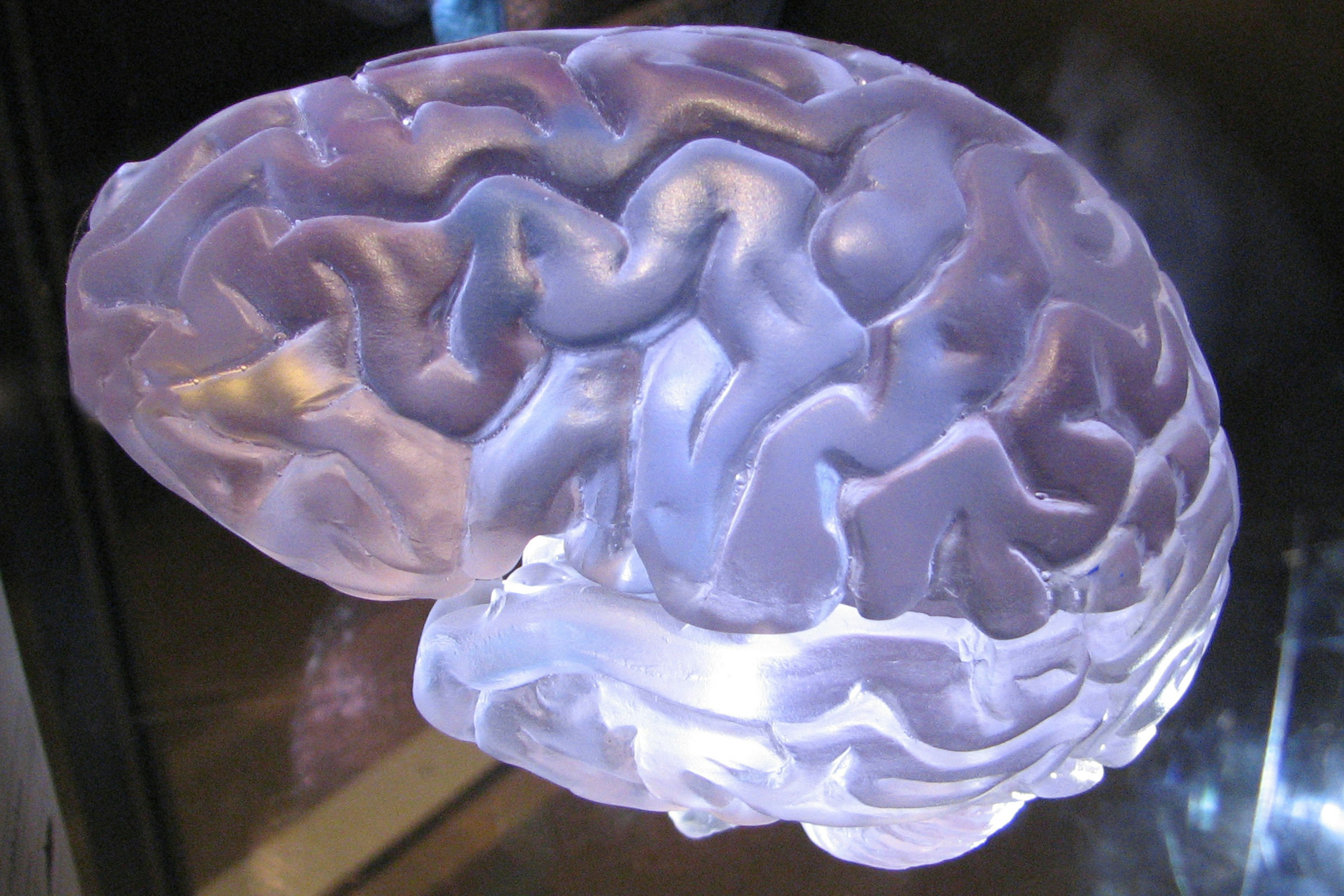
Introduction to Phenomenal Consciousness
Pheomenal consciousness represents a crucial concept in the realm of cognitive science and philosophy. It is primarily characterized by the subjective experience of mental states, often described as what it feels like to undergo particular experiences. The richness of these experiences encompasses sensations, emotions, and perceptions, leading to the iconic question within philosophical discourse: what does it truly mean to be conscious?
In the study of consciousness, a distinction is made between phenomenal consciousness and access consciousness. While access consciousness pertains to the cognitive processes that allow for reflection and reasoning about experiences, phenomenal consciousness is concerned with the qualitative aspects of being aware—essentially the “raw feels” of experience that cannot be easily articulated in propositional terms. This distinction is significant as it highlights the multifaceted nature of consciousness and underscores the need for nuanced exploration in cognitive models.
The examination of phenomenal consciousness has garnered increasing attention due to its pivotal role in understanding human cognition and subjective experience. Researchers seek to uncover the intricacies of how these experiences manifest and how they correlate with behavioral outcomes. This endeavor is not merely academic; it has profound implications for fields ranging from artificial intelligence to mental health. As scholars navigate these complex inquiries, the exploration of proxies becomes essential. These proxies are essentially indicators or measurable variables that can help predict the presence or quality of phenomenal consciousness in a given context.
By investigating how these proxies operate, researchers may better comprehend the underlying mechanisms of consciousness, bridging the gap between subjective experience and objective measurement. Thus, the study of phenomenal consciousness not only enriches our understanding of cognitive processes but also challenges and inspires future inquiries in both philosophy and cognitive science.
Understanding Proxies in Cognitive Science
In cognitive science, a ‘proxy’ is a tool or representation that enables researchers to study complex and often abstract phenomena, such as consciousness. Proxies serve as stand-ins for the entities or concepts that are difficult to measure directly. For instance, when investigating consciousness, researchers might not be able to access the subjective experiences of individuals. Instead, they utilize proxies like behavioral responses, neural activity patterns, or even computational models to infer the underlying consciousness.
The use of proxies in cognitive science allows for a more manageable approach to examining the intricate aspects of cognition and consciousness. By employing various proxy indicators, researchers can create operational definitions that promote the study of consciousness within the frameworks of both empirical research and theoretical modeling. Such indicators might include visual attention measures, implicit biases, or physiological responses that are believed to correlate with conscious awareness.
One well-known example of a proxy in cognitive science is the use of brain imaging techniques, such as functional magnetic resonance imaging (fMRI), to study mental states. While an fMRI scan cannot reveal the exact subjective experience of a person, it can demonstrate patterns of brain activity that correspond to specific cognitive tasks or emotional states, thereby acting as a proxy for underlying conscious processes. Similarly, behavioral indicators, like reaction times in psychological assessments, serve to gauge cognitive processing and can point towards aspects of conscious thought and decision-making.
As proxies are essential for exploring the nuances of cognitive phenomena, researchers continuously seek new and improved methods for representing and understanding consciousness. Innovations in technology and methodology expand the toolkit available to scientists, allowing for a more nuanced exploration of the relationship between proxies and the complex structures of consciousness.
Common Proxies for Phenomenal Consciousness
Phenomenal consciousness, frequently characterized as the subjective experience of being aware, presents intricate challenges in predictive modeling. Researchers employ varied proxies to quantify and analyze this complex concept. Among the most prevalent approaches are behavioral indicators, neurophysiological measures, and self-reporting metrics, each offering unique insights into the nature of consciousness.
Behavioral indicators serve as one of the foundational proxies for assessing phenomenal consciousness. Techniques like eye-tracking measure visual attention and gaze patterns, revealing underlying cognitive processes and awareness levels. Reaction times also play a crucial role in behavioral assessments. The latency of responses can indicate the degree of conscious processing; faster reactions often correlate with increased awareness of stimuli. Such metrics are instrumental in distinguishing conscious from unconscious processing, thereby enhancing our understanding of phenomenal consciousness.
Neurophysiological measures, particularly fMRI (Functional Magnetic Resonance Imaging) and EEG (Electroencephalography), also contribute significantly to the exploration of consciousness. fMRI provides insights into brain activity by measuring blood flow, enabling researchers to observe neural correlates associated with conscious thought. This method helps identify specific brain regions activated during conscious experiences. On the other hand, EEG allows for the analysis of brain waves in real-time, offering a temporal resolution that can distinguish different states of consciousness. The combination of these neurophysiological techniques enriches the dataset used to predict phenomenal consciousness.
Finally, self-reporting metrics should not be overlooked as proxies in this area. Questionnaires and interviews provide first-person accounts that capture the qualitative aspects of consciousness, granting access to personal insights and experiences. Although subjective, these metrics remain vital for understanding the nuances of phenomenal experience.
Criteria for Evaluating Proxy Effectiveness
Assessing the effectiveness of proxies for predicting phenomenal consciousness is a multifaceted endeavor that necessitates careful consideration of several critical criteria. Primarily, reliability is a fundamental criterion. This involves ensuring that the proxy consistently yields similar results under identical conditions. A reliable proxy will not only provide stability in its measurements but will also inspire confidence in the results obtained through its application.
Next, the validity of proxies must be evaluated. This entails determining whether the proxy genuinely measures what it purports to measure—namely, aspects of phenomenal consciousness. Criteria for validity include construct validity, which assesses how well the proxy aligns with the theoretical concept of consciousness, and predictive validity, which examines its capability to forecast relevant conscious states effectively.
Furthermore, sensitivity to changes in consciousness is another vital aspect to consider. An effective proxy should be capable of detecting alterations in conscious experience, whether due to external stimuli or internal cognitive processes. This characteristic is paramount, as it ensures that the proxy is responsive to the dynamic nature of consciousness over time.
Lastly, compatibility with existing theoretical frameworks is crucial in evaluating the effectiveness of proxies. The accepted models and theories of consciousness should align with the proxy’s framework, reflecting its relevance within the broader discourse on phenomenal consciousness. Proxies that resonate with established theories are more likely to be accepted and utilized by researchers, thereby enhancing the proxy’s utility in empirical research.
In summary, the evaluation of proxy effectiveness in predicting phenomenal consciousness is contingent upon reliability, validity, sensitivity to changes, and compatibility with theoretical frameworks, ensuring a holistic assessment of these crucial indicators.
Case Studies: Successful Prediction of Phenomenal Consciousness
Research into the proxies of phenomenal consciousness has brought forth several compelling case studies that illustrate their successful application in predicting conscious experiences. One particularly notable study conducted by Hameroff et al. (2016) utilized both neuroimaging and electrophysiological methodologies to examine the brain’s activity patterns during altered states of consciousness. The study aimed to establish correlations between specific neural indicators and subjective experiences, thereby offering a predictive framework for assessing phenomenal consciousness.
In this research, participants exhibited distinct neural signatures while engaging with complex visual stimuli under varying states of awareness. The investigators employed advanced neuroimaging techniques such as functional magnetic resonance imaging (fMRI) to identify areas of heightened activity in the brain, alongside electroencephalogram (EEG) analyses to correlate these responses with reported subjective experiences. The findings indicated that specific patterns of brain activity could serve as reliable proxies for phenomenal consciousness, supporting the claim that neural correlates can inform our understanding of subjective experience.
Another significant study by Tye (2018) expanded upon these initial findings by investigating the role of attention in the conscious experience. This research implemented a dual-task paradigm, where participants were required to focus on one sensory input while ignoring another. The outcomes demonstrated that the intensity and clarity of conscious experience were closely linked to the allocation of attentional resources. This interplay highlighted how proxies associated with attention can effectively predict the presence of conscious awareness, showcasing the interconnectedness of cognitive processes in shaping our conscious experience.
Overall, these studies underline the promise of utilizing proxies for predicting phenomenal consciousness. By exploring the methodologies and findings from these case studies, researchers can gain deeper insights into the intricate relationship between neural correlates, cognitive theories, and the nature of conscious awareness. The implications of these methodologies offer valuable directions for future investigations aimed at unraveling the complexities of consciousness in both philosophical and scientific domains.
Limitations of Current Proxies
Phenomenal consciousness, which refers to the subjective experience of awareness, remains a complex and multifaceted phenomenon that eludes precise quantification. Current proxies employed to assess aspects of consciousness have several notable limitations that researchers must navigate. First, there is the issue of potential biases inherent in these proxies. Many measures, such as behavioral responses or neurological indicators, can be influenced by numerous external factors, including environmental variables and individual differences. This variability raises concerns about the consistency and reliability of proxy data, impacting broader interpretations surrounding consciousness.
Furthermore, the complexity of consciousness itself adds another layer of difficulty in accurately representing this construct through proxies. Consciousness is not merely binary; it encompasses a spectrum of experiences ranging from basic awareness to profound introspection. This diversity means that a single proxy may not encapsulate the entirety of an individual’s conscious experience, potentially leading to oversimplified conclusions in studies. Researchers are often confronted with the challenge of choosing proxies that are not only informative but also adequate in their depiction of the nuanced nature of consciousness.
Another significant issue involves the interpretation of data produced by these proxies. The neuroscience and cognitive psychology fields frequently rely on advanced techniques such as fMRI scans or EEG readings. Yet, while these technologies provide valuable insights, interpreting the resulting data can be challenging due to the limitations of our understanding of the relationship between brain activity and subjective experience. These challenges highlight the necessity for cautious interpretation when drawing conclusions from proxy data.
In conclusion, acknowledging these limitations is crucial for advancing research on phenomenal consciousness. By addressing the biases, complexity, and interpretive challenges associated with current proxies, future studies may develop more robust and meaningful models of consciousness that enhance our comprehension of this intricate phenomenon.
The Future of Proxy Research in Consciousness Studies
In the realm of consciousness studies, proxy research has shown significant promise in elucidating the intricate nature of phenomenal consciousness. As we look toward the future, several trends and innovations are expected to reshape our understanding and methodology. One of the most significant advancements lies in the realm of technology. Emerging tools such as neuroimaging techniques and artificial intelligence are poised to enhance our capability to analyze and interpret data related to consciousness. These technologies can facilitate the development of more robust predictive models, effectively providing insights into the subjective experiences tied to phenomenal consciousness.
Moreover, interdisciplinary approaches will play a crucial role in advancing proxy research. By integrating knowledge from fields such as cognitive science, psychology, and philosophy, researchers can foster a more holistic understanding of consciousness. Collaborative efforts across disciplines can lead to the creation of comprehensive models that account for variables previously overlooked. This synthesis of diverse perspectives not only enriches the research framework but also paves the way for innovative methodologies that enhance empathy and subjective experience consideration.
Additionally, there is a growing recognition of the importance of ethical considerations in research related to consciousness proxies. As we continue to develop and employ new methodologies, ensuring that these practices adhere to ethical standards is paramount. Future studies will likely incorporate ethical reviews and community input to ensure that advances in the field remain responsible and inclusive.
Ultimately, the future of proxy research in consciousness studies lies in the confluence of technology, interdisciplinary collaboration, and ethical engagement. Such a convergence holds the potential to deepen our understanding of phenomenal consciousness, leading to new paradigms that redefine how we conceptualize and study conscious experience. As we embark on this journey, the integration of innovative tools and collaborative efforts stands to significantly enhance our exploration of the mind.
Integrating Proxies into Theoretical Frameworks
The integration of proxy indicators into existing theoretical frameworks of consciousness is a multifaceted endeavor that necessitates a comprehensive understanding of both empirical findings and conceptual constructs. Proxies serve as vital tools for bridging the gap between observable phenomena and the abstract nature of consciousness. By incorporating various proxies, researchers can elucidate aspects of phenomenal consciousness that were previously elusive, enhancing our understanding of different cognitive functions.
To effectively integrate these proxies, it is essential to consider interdisciplinary perspectives. Fields such as neuroscience, psychology, and philosophy of mind offer diverse methodologies and insights that can inform and enrich theories of consciousness. For instance, neural correlates identified through neuroimaging studies can be juxtaposed with psychological assessments derived from behavioral studies. This synergy may yield a more robust framework for understanding consciousness and cognition.
Moreover, employing proxies allows for the exploration of the subjective experience of consciousness, facilitating a dialogue between subjective accounts and objective measurements. This dialogue is crucial as it mirrors the complexity of consciousness itself, which encompasses not only cognitive processes but also emotional and sensory experiences. Integrating proxies within theoretical models can help delineate the various layers that comprise consciousness, providing a comprehensive view that transcends traditional dichotomies.
As we advance in this field, it becomes increasingly important to adapt our theoretical frameworks in light of new findings. This adaptive process will promote dynamic theories that reflect the intricacies of consciousness, fostering continued exploration and understanding. By weaving together the insights gained through empirical proxies, cognitive scientists may well shape future models that challenge existing paradigms and invite novel interpretations of phenomenal consciousness.
Conclusion and Implications
In closing, the exploration of proxy indicators of phenomenal consciousness provides valuable insights into the complexities of cognitive models. These proxies serve as pivotal tools that facilitate a deeper understanding of conscious experience, bridging the gap between subjective phenomena and objective measurement. By examining how various indicators, such as behavioral responses and neural correlates, can serve as substitutes for direct assessment of consciousness, researchers can better navigate the intricacies of cognitive functions.
The implications of recognizing and leveraging proxy indicators are significant, both theoretically and practically. From a theoretical standpoint, they challenge existing paradigms within cognitive science, urging a reevaluation of traditional definitions of consciousness. The initiation of discussions around proxies encourages a more nuanced approach towards studying consciousness, promoting interdisciplinary collaboration among philosophers, neuroscientists, and psychologists.
On a practical level, the application of these proxies can enhance experimental methodologies and improve the interpretation of results in cognitive research. For instance, the integration of proxy indicators in clinical settings could aid in more accurately diagnosing and understanding conditions affecting consciousness, such as disorders of awareness or various neurological conditions. Furthermore, these proxies can guide the development of artificial intelligence systems by informing how machines could potentially exhibit characteristics of conscious behavior.
Overall, acknowledging the role of proxy indicators in the study of phenomenal consciousness offers profound implications for the advancement of cognitive science. It not only enriches the discourse surrounding consciousness but also paves the way for a more comprehensive understanding of cognitive processes, ultimately leading to innovative applications that extend beyond the theoretical realm.