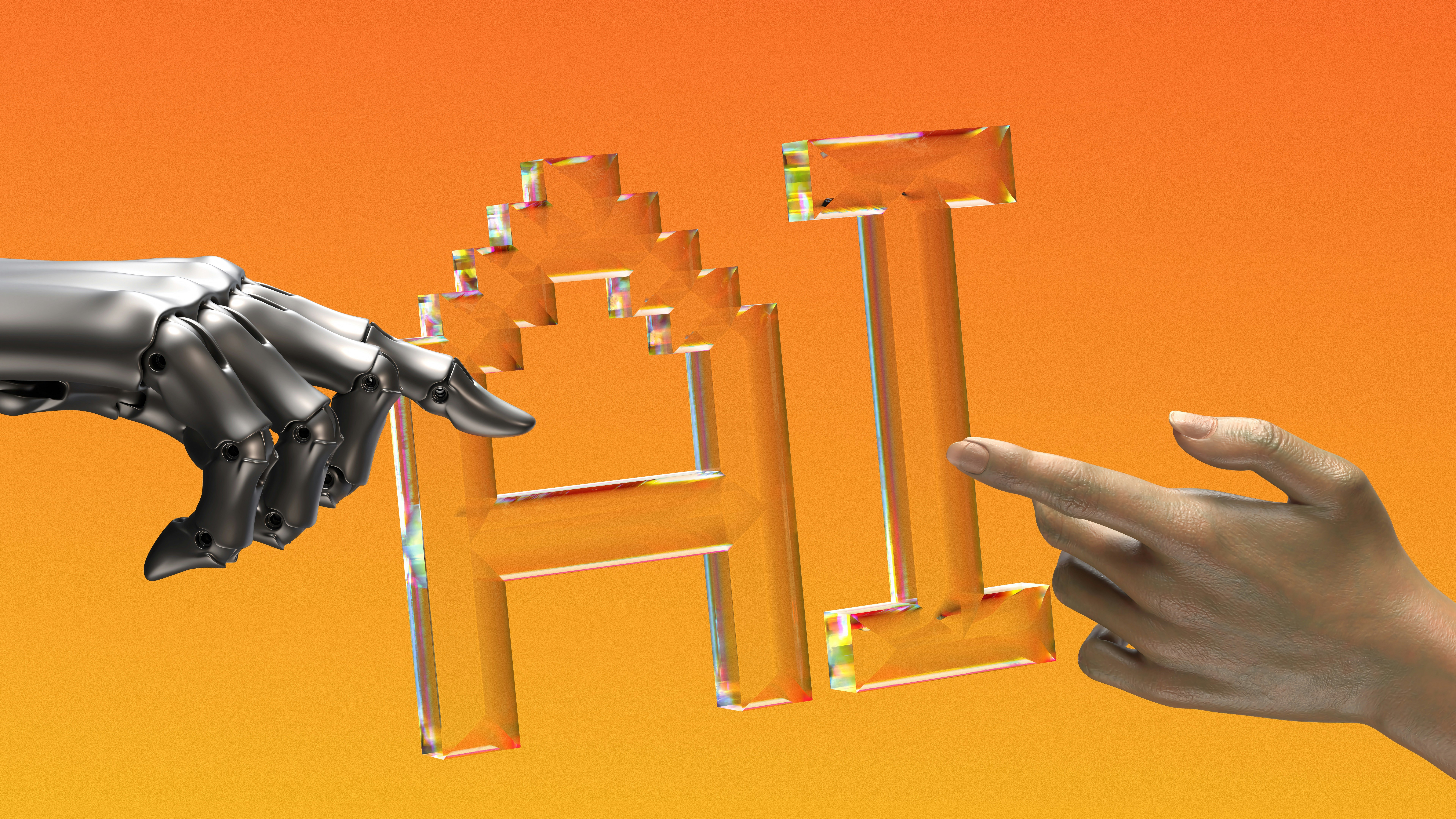
The Rise of AI
The rapid advancements in artificial intelligence (AI) have transformed numerous industries, reshaping the landscape of technology and automation. From healthcare to finance, AI technologies are being harnessed to streamline processes, enhance decision-making, and optimize efficiencies. Machine learning algorithms and neural networks, for instance, allow systems to learn and improve from experience, often outperforming human capabilities in data processing and analysis.
As AI continues to develop, its applications are becoming increasingly sophisticated, offering innovative solutions to complex problems. In fields such as autonomous driving, natural language processing, and predictive analytics, AI is demonstrating abilities that were once thought to be the exclusive domain of human intelligence. These advancements have prompted significant investment from both private sectors and governments, fueling research and deployment of AI systems.
The rise of AI has also raised vital discussions regarding its potential to surpass human abilities, highlighting issues of ethics, employment, and the future of intelligence itself. Experts are particularly focused on the implications of AI outperforming humans in specific tasks and whether this trend might extend across a wider array of competencies. As AI becomes ingrained in various business models, the conversation around AI’s role in society and its limitations becomes increasingly pertinent.
While the capabilities of AI systems are remarkable, it is essential to analyze the essence of human skills and the nuances of emotional intelligence, creativity, and complex reasoning. As we explore the interplay between AI’s efficiencies and human strengths, it becomes clear that the global workforce must adapt and evolve in synergy with advancing technology. The ensuing dialogue will shape the future of work and our relationship with machines in an era defined by unprecedented technological integration.
Understanding Human Uniqueness
The distinction between humans and artificial intelligence (AI) is a subject of significant interest as society increasingly relies on technologically advanced systems. At the core of human individuality are specific traits that distinguish us from AI: emotional intelligence, creativity, and moral reasoning. These characteristics contribute to the unique fabric of human experience.
Emotional intelligence is one such trait that AI struggles to replicate. Humans possess the ability to interpret and respond to emotions, which guides interpersonal interactions and fosters empathy. This understanding extends beyond mere recognition; it encompasses an intuitive connection to shared experiences and the emotional undercurrents that define relationships. With this ability, humans can navigate complex social dynamics and provide support in ways that AI, limited by algorithmic analysis, cannot achieve.
Furthermore, creativity is a hallmark of human cognition that remains largely uncharted by AI. Human creativity manifests in various forms, including art, music, literature, and problem-solving. This innovation stems from the ability to think abstractly, question norms, and draw connections between seemingly disparate ideas. Whereas AI excels in processing extensive datasets to identify patterns, genuine human creativity often involves the exploration of uncharted territories and the generation of original concepts.
Lastly, moral reasoning is a fundamental aspect of being human. Decisions often require ethical considerations and moral judgments that reflect personal values and societal norms. While AI can analyze scenarios and outcomes, it lacks a moral compass informed by cultural context and human experience. Humans engage in moral reasoning by weighing factors that go beyond logical calculations, allowing for decisions that embody compassion, justice, and integrity.
In summary, human uniqueness lies in emotional intelligence, creativity, and moral reasoning, each contributing to our understanding of what it means to be human in a world increasingly influenced by artificial intelligence.
Emotional Intelligence: The Human Advantage
Emotional intelligence (EI) refers to the ability to perceive, evaluate, and manage not only one’s own emotions but also the emotions of others. This multifaceted skill involves an array of competencies, including self-awareness, empathy, and strong interpersonal skills. While artificial intelligence is rapidly advancing, it lacks the intrinsic emotional understanding that humans possess. This gap highlights a significant advantage that humans hold over AI.
At its core, emotional intelligence enables individuals to establish meaningful connections and communicate effectively. Empathy plays a critical role in this regard; it allows humans to resonate with the feelings of others, fostering mutual understanding and support. This capacity for empathy permits individuals to interpret nuanced emotional cues—something that AI struggles to accomplish. While algorithms can process data and recognize patterns, the subtleties of human emotion often elude their grasp.
The importance of interpersonal relationships cannot be overstated. Social bonds are fundamentally built on trust, emotional resonance, and a shared understanding of complex feelings. Humans naturally engage in emotional exchanges that create deep connections; these bonds are essential for cooperation, collaboration, and overall social cohesion. In contrast, AI can simulate conversation and interactions but lacks the genuineness that authentic human engagement demands.
Moreover, the ability to navigate social dynamics is vital in both personal and professional realms. Emotional intelligence facilitates conflict resolution, enhances teamwork, and inspires leadership. By understanding the emotional landscape of a situation, humans can adapt their responses to foster harmony and inclusivity, something AI systems currently cannot replicate. The human advantage in emotional intelligence exemplifies why emotional connection remains an irreplaceable component of the human experience, regardless of AI’s increasing capabilities.
Creativity: The Art of Original Thought
Human creativity stands distinct from artificial intelligence in its ability to weave novel ideas, concepts, and artistic expressions through the lens of personal experience and emotional depth. While AI has made remarkable advancements in generating art and problem-solving, it fundamentally lacks the lived experience that fuels human creativity. The notion of creativity encompasses not just the end product of an artistic endeavor, but the complex cognitive processes and emotional backgrounds that inform human thought.
Humans draw upon a rich tapestry of emotions, memories, and cultural influences, all of which significantly shape their creative outputs. This intertwining of lived experiences provides a depth to creativity that AI cannot replicate. For example, a painter may channel their personal struggles and triumphs into a canvas, imbuing it with meaning that resonates on a profound level with viewers. AI-generated artworks, although technically proficient, often lack this emotional nuance, leading to a disconnect that can be felt by audiences.
Moreover, creativity necessitates the ability to think abstractly, make connections between disparate ideas, and embrace ambiguity. This capacity to navigate uncertainty and explore the unknown is central to innovation. Human beings often employ divergent thinking, venturing off traditional paths to discover groundbreaking solutions to complex problems. AI, primarily reliant on pre-existing data and algorithms, operates within a defined framework, thus limiting its potential for innovative thought.
In contrast to the rigid mechanics of AI, human creativity thrives on the unpredictable. Artists, writers, and thinkers have the unique ability to experience a moment of inspiration that can lead to groundbreaking ideas or artistic masterpieces. This unpredictable burst of creativity is not simply a function of intelligence, but rather an embodiment of the human condition itself—full of complexities, emotions, and the richness of experience that AI inherently lacks.
Moral and Ethical Judgments: The Human Role
The ability to make moral and ethical judgments is one of the most significant distinctions between humans and artificial intelligence (AI). While AI can process large volumes of data and identify patterns, it lacks an inherent understanding of moral principles and ethical considerations. This gap highlights a fundamental human capability rooted in cultural, personal, and societal influences.
Humans navigate complex moral dilemmas through a combination of reasoning and emotional intelligence. Factors such as empathy, compassion, and personal values play crucial roles in shaping our decisions. For instance, in situations that require a moral choice—such as issues in medical ethics, social justice, or interpersonal relationships—individuals often draw on their life experiences and the teachings of their communities. These influences contribute to a nuanced understanding that transcends mere logic or statistical efficacy.
Moreover, moral and ethical judgments are often subjective, varying widely across different cultures and societies. This subjectivity illustrates the complexity of human moral reasoning, as cultural norms, traditions, and historical contexts can lead to diverse interpretations of what is considered right or wrong. AI, on the other hand, operates on predefined algorithms and lacks the ability to discern the intricacies of human morality.
Furthermore, the human experience is marked by an emotional component that significantly impacts ethical decision-making. Emotions can sway judgments and drive individuals to act in ways that may not align with calculated logic but resonate with their moral compass. In this regard, AI is limited to executing tasks based on logic, unattached to the feelings and nuances that human beings often encounter.
In conclusion, while AI continues to evolve and improve in its capacities, it remains devoid of the essential emotional and cultural understanding that governs moral and ethical judgments. This inherent limitation underscores a critical area where humans will always excel, reinforcing the need for human oversight in ethical matters.
The Role of Intuition and Gut Feelings
Intuition is an innate human ability that significantly influences decision-making. Unlike artificial intelligence, which processes vast amounts of data through algorithms, humans often rely on their instincts, past experiences, and subconscious cues. These gut feelings are not merely whimsical; they are informed by a lifetime of experiences, emotions, and social contexts, serving as a quick assessment tool in complex situations.
One of the primary advantages of human intuition is its speed. In many circumstances, individuals can make split-second decisions based on their intuitive understanding of a situation, whereas AI might require time to analyze data and deliver recommendations. This rapid decision-making process is crucial in high-pressure environments, where delay can lead to missed opportunities or even threats to safety.
The significance of emotions in human intuition cannot be overstated. Emotions often guide our preferences and judgments, sometimes in ways that are not immediately logical or quantifiable. This emotional aspect adds a layer of complexity to decision-making, allowing individuals to weigh social nuances and moral implications that numbers alone cannot capture. For instance, in negotiations or personal relationships, the ability to empathize and gauge unspoken feelings can lead to more favorable outcomes that AI may not comprehend.
Moreover, intuition often integrates diverse sources of knowledge, including cultural, moral, and experiential dimensions. This multifaceted insight enables humans to navigate uncertain environments more effectively than AI, which may lack the nuanced understanding required in many social contexts.
In conclusion, while AI can process information at astounding speeds and volumes, human intuition remains unrivaled in its capacity to make complex, context-based decisions influenced by a myriad of factors, ultimately highlighting the unique advantages of human cognition.
Understanding Context and Nuance
One of the most significant areas where humans excel compared to artificial intelligence (AI) is the ability to understand context and nuance in communication and various situations. Human interaction relies heavily on an intricate web of social cues, emotional undercurrents, and shared experiences, factors that AI often struggles to interpret. For instance, when engaging in conversation, individuals regularly pick up on non-verbal signals, such as tone of voice, body language, and facial expressions, which provide essential context to the spoken words. This understanding plays a vital role not only in day-to-day interactions but also in complex discussions and negotiations.
The interpretation of context is particularly challenging for AI systems, which typically analyze language based on data and algorithms rather than genuine emotional comprehension. Although natural language processing (NLP) technologies have made significant strides, they remain limited when confronted with ambiguity, sarcasm, or culturally specific references. While a human might intuitively grasp the subtleties of a statement made in jest, an AI could struggle, leading to misunderstandings or inappropriate responses.
This challenge extends to various domains, including customer service, creative writing, and therapy, where an understanding of human emotion and the subtleties of expression deeply affects communication outcomes. Human agents draw upon their life experiences and cultural background to interpret meanings and respond in ways that resonate with others on a personal level. These unique attributes foster empathy, allowing people to connect and collaborate effectively, dynamics that AI is still far from mastering.
Ultimately, as AI continues to evolve, the ability to perceive and navigate contextual nuances will remain a distinctly human strength. This capability not only shapes our interactions but also underpins our creativity, problem-solving, and adaptability in rapidly changing environments.
AI as a Tool, Not a Replacement
Artificial Intelligence (AI) has become an integral part of various sectors, enhancing efficiency and productivity by performing tasks that require speed and accuracy. However, it is crucial to recognize that AI excels primarily as a tool that complements human capabilities rather than replaces them. While AI systems can analyze vast amounts of data quickly, generate insights, and even automate repetitive tasks, they lack the nuanced understanding and emotional intelligence that humans bring to their work.
One of the standout features of AI is its superior ability to process information in a fraction of the time it would take a human. Tasks such as data entry, pattern recognition, and predictive analytics are areas where AI demonstrates significant prowess. For instance, in the healthcare industry, AI algorithms can analyze images for diagnostic purposes and predict disease outbreaks based on data trends. This substantial capability enhances the human decision-making process but does not substitute the need for healthcare professionals who offer empathy, context, and comprehensive care.
Furthermore, AI can support human creativity while streamlining workflows. Creative fields, such as writing and graphic design, utilize AI-enhanced tools to generate content or visualizations that inspire original work. In this scenario, AI acts as a collaborator, providing suggestions and options that a human can then refine and personalize. This synergy allows for the best of both worlds: increased productivity paired with authentic human touch.
It is essential to appreciate that while AI mechanisms can simulate aspects of human behavior or cognition, they fundamentally lack the consciousness and ethical judgement that characterize human thought. The essence of what it means to be human—our emotions, our ethical and moral reasoning, our ability to connect with others—remains unattainable by AI. In light of this, viewing AI as a complementary tool positions us to harness its advantages while retaining the irreplaceable qualities that define human experiences.
Conclusion: Embracing Human Strengths in an AI-Driven World
As we explore the intersection of artificial intelligence and human capabilities, it is vital to recognize that certain qualities undoubtedly distinguish humans from machines. While AI technology advances at an unprecedented pace, allowing for significant efficiency improvements and productivity gains in various sectors, it remains essential to celebrate what makes us inherently human. Among these uniquely human strengths are emotional intelligence, creativity, moral reasoning, and intuition, all of which form the backbone of our interactions and decision-making processes.
Emotional intelligence enables humans to empathize with others and understand the complexity of human emotions, a task that remains elusive for AI systems. This ability to connect on an emotional level fosters stronger relationships, both personally and professionally. In contrast, AI can analyze patterns and data but lacks the ability to genuinely understand and respond to emotional nuances.
Creativity stands as another pillar of human strength. Innovations, artistic expressions, and groundbreaking ideas emerge from the human capacity for original thought. While AI can generate content and art by utilizing algorithms and existing data, it cannot replicate the unique spark of human ingenuity, which often arises from personal experiences and diverse cultural backgrounds.
Moral reasoning is fundamental in navigating ethical dilemmas and social responsibilities. Humans possess the ability to assess situations based on morals, ethics, and values, allowing for nuanced decision-making. AI, reliant on preset algorithms and rules, cannot fully engage in moral reasoning as it lacks a moral compass.
Lastly, intuition plays a crucial role in human judgment and decision-making, allowing individuals to make assessments based on instinct and lived experience. In an increasingly automated world, it is imperative that we acknowledge these human strengths and leverage them alongside AI technologies.