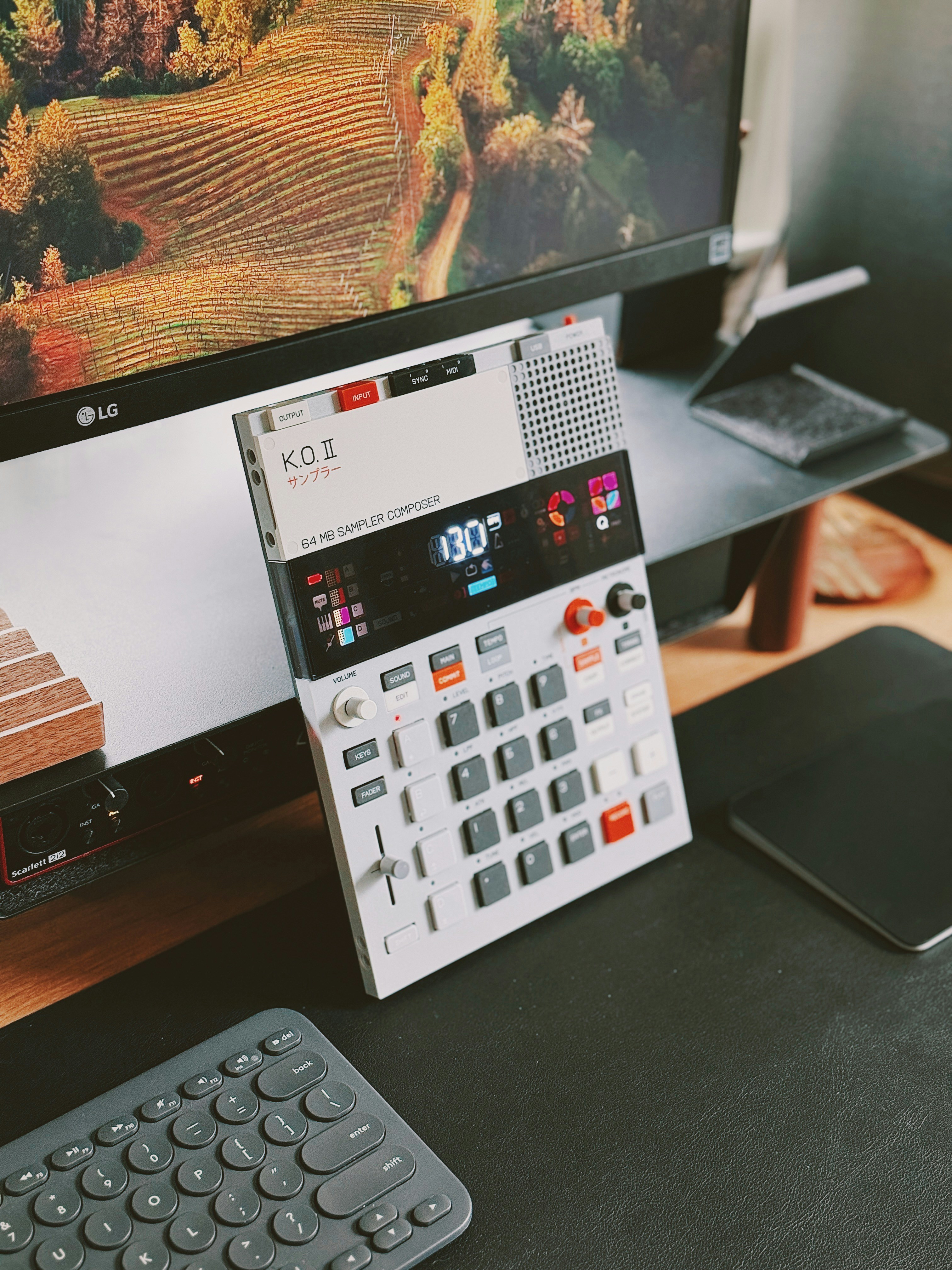
Introduction to AI Music Generation
AI music generation refers to the use of artificial intelligence technologies to create original music compositions. This innovative approach harnesses algorithms and machine learning techniques to analyze vast amounts of existing music data, enabling the creation of new and often unique pieces. As the field of AI continues to evolve, its applications in music generation have become increasingly sophisticated, allowing for enhanced creativity and experimentation in the artistic process.
The core capabilities of AI music generation include the ability to produce melodies, harmonies, rhythms, and even complete song structures. Techniques such as neural networks and deep learning enable machines to recognize patterns in music, integrating styles and elements that may not traditionally coexist. This technology has made it possible not only for musicians and composers to explore uncharted territories in their works but also for producers and sound designers to generate soundscapes that engage audiences in novel ways.
The significance of advancements in AI music technology extends beyond merely assisting artists; they have the potential to transform the music industry at large. With the ability to rapidly generate multiple variations of a single piece, AI music tools can aid in everything from the scoring of films to the crafting of jingles for advertisements, thus streamlining the creative process. Moreover, these tools can enhance accessibility for emerging artists who may lack extensive formal training but wish to innovate within their musical journey.
In a landscape where collaboration between humans and machines is becoming ever more common, AI music generation represents a fascinating convergence of art and technology. As practitioners of this craft embrace the capabilities of AI, the possibilities for creativity and expression continue to expand, reshaping how music is created, perceived, and experienced.
The Role of Training Data in AI Music Models
AI music generation relies heavily on training data, which serves as the foundational material from which machine learning models derive their understanding of musical patterns and structures. This training data consists of a vast array of musical compositions, spanning numerous genres, styles, and cultural backgrounds. The diversity of this dataset is crucial, as it enables the AI to build a comprehensive and nuanced understanding of music.
Through analysis of this large dataset, AI systems learn to identify patterns within melodies, harmonies, and rhythms. They absorb characteristics inherent in different styles, such as jazz improvisation or classical composition techniques. This diverse training exposure not only informs the AI’s ability to replicate existing styles but also fuels its creative output, allowing it to generate original compositions that can blend various influences.
Moreover, the quality and quantity of training data have a direct impact on the performance of AI music models. A model trained on a limited or homogeneous dataset may struggle to produce varied and rich outputs. Conversely, by incorporating a broad spectrum of musical examples, these models are equipped to generate more innovative and engaging musical pieces. This principle is particularly pertinent in instances where the AI attempts to infuse creativity and originality into its compositions.
The continuous evolution of AI music generation relies on the ongoing refinement of training data. As new musical styles emerge and cultural trends shift, updating the training datasets to reflect these changes is essential for maintaining the relevance and adaptive capabilities of AI systems. In light of these factors, the role of training data represents a pivotal element in shaping the effectiveness of AI music generation, encapsulating the intersection of technology, creativity, and music theory.
Understanding Copyright and Sample Usage
Copyright law plays a critical role in the music industry, particularly concerning the use of samples from existing works in new compositions. At its core, copyright is designed to protect the rights of original creators, granting them exclusive rights to reproduce, distribute, and publicly perform their works. When it comes to music, a copyrighted sample is any portion of a sound recording or musical composition that is used within another piece of music without explicit permission from the original copyright holder.
To be considered a sample, a segment of music must be recognizable and distinct, often including melodies, harmonies, or rhythms borrowed from the original work. This can range from a few seconds of audio to a more significant portion. Importantly, even if a sample is altered or manipulated, legal considerations regarding copyright remain. If the sampled music retains a substantial portion of its original character, it may still constitute copyright infringement.
The legal implications of using sampled music are substantial. Infringement may lead to legal disputes, which can incur significant costs and jeopardize the success of new works. Therefore, creators are advised to seek licenses for any samples they intend to use. Licensing agreements allow artists to legally incorporate samples into their music, ensuring that the original creators are compensated for their work. Alternatively, they may opt to use sample clearance services that specialize in negotiating these rights.
Ultimately, understanding copyright in the context of music and samples is essential for any artist engaged in music creation. By respecting the rights of original creators and adhering to copyright laws, musicians not only protect themselves but also foster a culture of respect within the industry.
The Challenge of Copyrighted Samples in AI Training Data
The incorporation of copyrighted samples in AI music generation presents significant legal and ethical challenges. As artificial intelligence continues to evolve, its usage in music creation has raised questions surrounding intellectual property rights. Particularly, when AI systems utilize copyrighted material as training data, they must navigate the complexities and nuances of copyright law.
One core issue is the potential risk of infringing on copyright laws when AI models are trained using protected works. When an AI system absorbs elements from copyrighted samples, the resulting music could arguably be considered derivative. This raises the question of originality, as copyright protection does not extend to derivative works that fail to present a significant creative transformation. Consequently, composers and artists risk facing legal action if it is determined that their AI-generated music closely resembles existing copyrighted material.
Moreover, ethical considerations permeate this discussion. Using copyrighted samples without proper licensing not only infringes upon the rights of the original creators, but it also undermines their financial interests. Many artists rely on the income from their work, and unauthorized use can diminish their ability to profit from their creations. This creates a moral dilemma for developers and users of AI music generation tools, as they must consider the implications of their choices on the broader music industry.
Furthermore, the landscape of copyright law is continuously evolving, often struggling to keep pace with technological advancements in AI. As legal frameworks adapt, it is essential for stakeholders to remain informed about the ramifications of using copyrighted samples in AI training data. The challenge lies in finding a balance that promotes innovation without infringing on the rights of original artists.
How AI Addresses Copyrighted Samples
In the realm of music production, the rise of artificial intelligence (AI) has led to innovative approaches for handling copyrighted samples, addressing the complexities of copyright compliance while enabling creative expression. AI music generation systems typically utilize advanced algorithms and methodologies designed to navigate the intricate landscape of copyright law.
One common approach employed by these systems is sample removal. By identifying and eliminating copyrighted elements from audio sources, AI can assist creators in producing original works that do not infringe on existing copyrights. This method is particularly useful when an AI tool analyzes a track and detects certain segments that correspond to copyrighted sound bites, allowing for the generation of new compositions that maintain originality.
Another strategy is the remixes created through AI systems. These systems can take existing tracks and transform them by altering the beat, pitch, or arrangement, effectively creating a derivative work that, under certain conditions, can fall outside of copyright infringement. However, this requires careful consideration of fair use laws and the extent to which the original material is altered.
Additionally, many AI platforms are increasingly incorporating deep learning techniques to understand the structure, texture, and thematic elements of music. By learning from vast databases of audio samples, these AI systems can generate entirely new music that is inspired by existing genres and styles without directly copying any particular song. This nuanced approach allows creators to produce music that is uniquely their own, all while respecting copyright boundaries.
Overall, the ability of AI to address copyrighted samples relies on a combination of advanced analytical capabilities and creative algorithms. By mitigating the risks associated with copyright infringement, AI music generation systems not only offer solutions but also open new avenues for artistic innovation.
Case Studies: AI Music and Copyright Disputes
As artificial intelligence continues to evolve, its application in music generation has raised significant legal questions, particularly concerning copyright issues arising from the use of copyrighted samples. One notable case is the dispute involving the AI-generated song that incorporated elements from a well-known hit without proper licensing. The original artist filed a lawsuit against the creators of the AI system, arguing that the inclusion of their melody constituted unauthorized sampling. This case exemplified the legal gray area surrounding AI-generated music and the extent to which algorithms may borrow from existing works.
Another relevant case involved an AI music production company that developed a model capable of generating music that mimicked the style of famous artists. When a prominent musicians’ estate discovered that their distinctive sound had been replicated without permission, they filed a complaint. The outcome of this dispute raised questions about whether the output of the AI could be classified as derivative work or original creation, impacting the legal frameworks governing rights in music composition.
Additionally, a high-profile incident occurred when an independent artist utilized an AI tool that inadvertently sampled parts from an already registered song. The original rights holders claimed that the use of this AI-generated music led to economic losses. The court ruling in this case emphasized the need for clear guidelines regarding copyright infringement in AI applications, leading to discussions within the music industry about updating laws to align with technological advancements.
These case studies reveal the complexities that arise when AI intersects with music, particularly concerning copyright samples. The legal outcomes not only set precedents but also illuminate the urgent need for a comprehensive framework addressing the implications of AI in music creation. Consequently, industry stakeholders must navigate this evolving landscape with caution, ensuring respect for intellectual property rights while also embracing innovation.
Best Practices for AI Music Developers
The emergence of AI music generation tools has revolutionized the way music is created, allowing for innovative approaches to composition and sound design. However, with this advancement comes the significant responsibility of adhering to copyright laws to ensure that developers create original works without infringing on existing copyrights. Here are some best practices for AI music developers to consider.
First and foremost, it is imperative for developers to obtain explicit permissions when utilizing samples from copyrighted music. This involves identifying the copyright holder and negotiating the necessary licenses. Without such permissions, even the most innovative AI-generated music can inadvertently infringe on established rights, resulting in legal ramifications.
Additionally, AI developers should focus on generating original content by training their models on public domain materials or music that is licensed under Creative Commons. By doing so, they create a legal buffer that not only protects their work but also encourages creativity and originality within the legal frameworks of copyright. Investing in the development of proprietary datasets composed of original sounds and compositions can further ensure compliance with copyright laws.
Another important aspect is maintaining detailed documentation of all materials used during the AI training process. This documentation should clearly outline the sources of any samples, the licenses associated with them, and the intended use cases. This level of transparency can serve as a safeguard in case of disputes or inquiries regarding copyright infringement.
Lastly, developers should regularly stay informed about changes in copyright laws and industry guidelines. Engaging with professional legal advice from copyright experts can provide clarity on compliance measures. By following these practices, AI music developers can contribute to a responsible environment that respects the contributions of original artists while pushing the boundaries of music creation.
The Future of AI Music Generation and Copyright Law
The realm of AI music generation is rapidly evolving, presenting both unprecedented opportunities and challenges, particularly in relation to copyright law. As artificial intelligence technologies become increasingly sophisticated, the potential for creating original music with minimal human input raises significant questions regarding ownership and copyright protection. In the future, as AI-generated works become more prevalent, the legal frameworks surrounding copyright are expected to adapt to address issues that current laws may not sufficiently cover.
One key area for consideration is the ownership of music generated by AI systems. Traditional copyright laws often attribute rights to the human creators of a work. However, when an AI autonomously produces music, determining authorship could evolve into a complex legal challenge. It is likely that lawmakers will need to devise new regulations that account for the unique characteristics of AI-generated content. This might involve identifying the role of the developers, users, and the AI itself in the creative process.
Furthermore, technology is likely to play a crucial role in shaping compliance with copyright laws. Innovations such as blockchain could emerge as valuable tools for ensuring transparency and traceability of ownership rights for AI-generated music. By leveraging these technologies, stakeholders could establish clear records of creation, distribution, and use, thus facilitating compliance with existing copyright regulations while promoting artistic creativity.
Ultimately, the intersection of AI music generation and copyright law will continue to evolve, necessitating ongoing dialogue between legal experts, technologists, and creatives. As we approach this new frontier, it is crucial that the legal system adapts to not only protect rights but also encourage innovation and artistic expression in an increasingly automated creative landscape.
Conclusion
As we delve into the complex landscape of AI music generation, it becomes increasingly clear that understanding the nuances of copyright is paramount. The integration of artificial intelligence into music creation presents both opportunities and challenges, particularly when it comes to using copyrighted samples. Throughout this post, we have discussed how AI systems can generate original music, and how these generated works can sometimes inadvertently echo the styles and samples of existing copyrighted material.
The importance of copyright in the world of AI finds its roots in the fundamental principles of artistic ownership and intellectual property rights. Creators must be aware of how AI-generated content can potentially infringe on existing copyrights, and therefore, it is critical for artists, producers, and technology developers alike to navigate these legal waters with care. Additionally, we explored the role of the fair use doctrine, which can complicate the understanding of allowable uses within AI-generated music, emphasizing the necessity for clear guidelines.
As we look toward the future of music, the interplay between AI technology and copyright law will likely only become more intricate. Musicians and sound designers are encouraged to remain vigilant and informed about the implications of their work in this evolving domain. The growth of AI-generated music necessitates a thoughtful discourse surrounding copyright, prompting creative professionals to critically evaluate how they approach the use of samples and the compositions created using AI tools.
In conclusion, fostering a well-rounded understanding of AI music generation and copyright issues is essential for anyone involved in this field. It not only encourages responsible creation and innovation but also supports a fair artistic ecosystem that respects the rights of original content creators while embracing technological advancements.