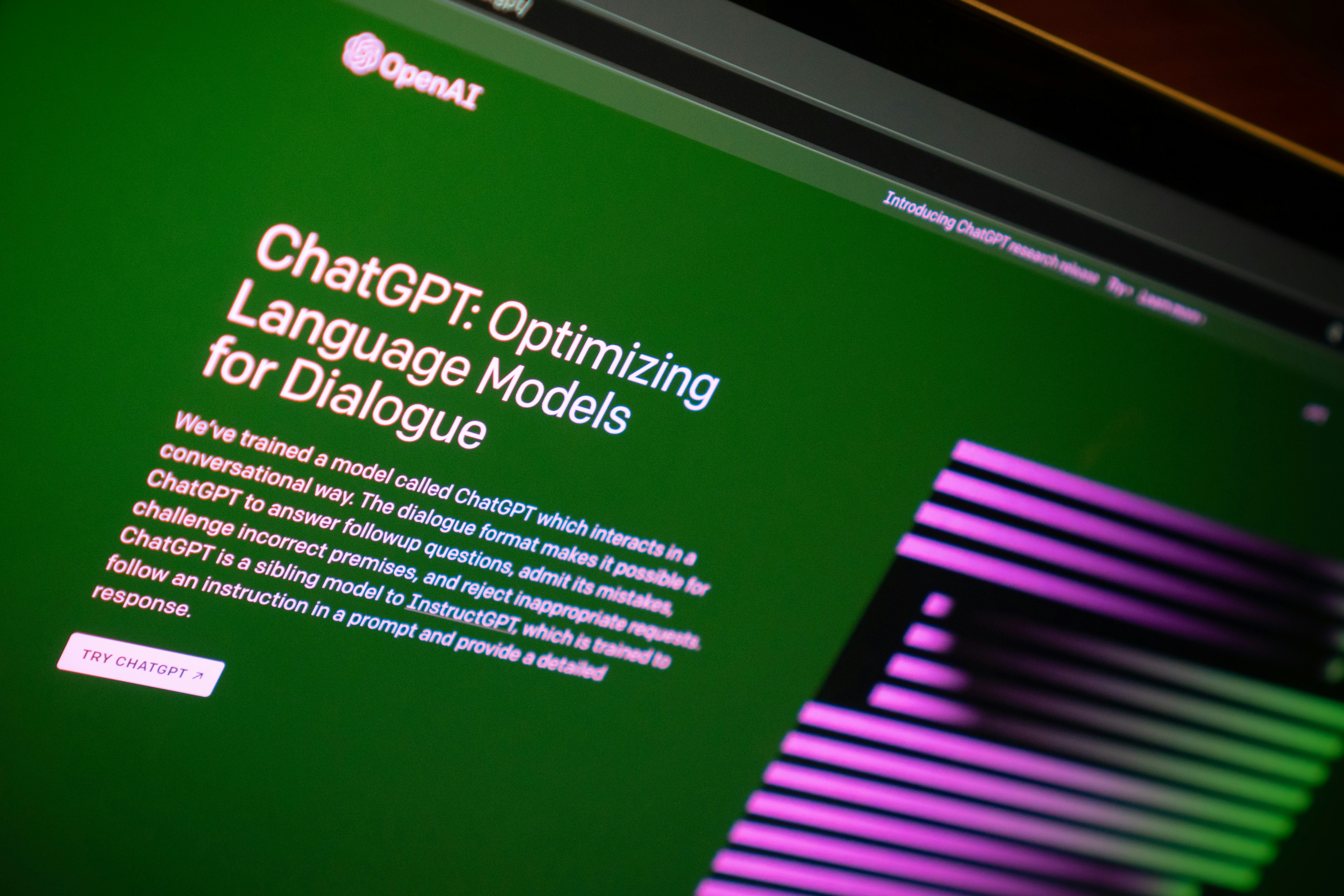
Introduction to AI Training Data
In the realm of artificial intelligence, training data plays a pivotal role in the machine learning process. This training data refers to a collection of information used to teach AI models how to perform specific tasks. It encompasses a variety of data types, such as text, images, and numerical values, which are essential for creating algorithms that can analyze and interpret information effectively.
The collection of training data is a meticulous process. It often involves sourcing data from diverse platforms, including open datasets, proprietary collections, and real-world scenarios. These data sources contribute to the richness and complexity of AI models, ensuring that they can understand and respond to a wide range of inputs. The variety in training data aids AI in recognizing patterns, improving accuracy, and increasing its overall efficacy in real-world applications.
Common types of training data used in AI models include labeled datasets, which provide clear examples for the model to learn from, and unlabeled datasets, where models must discover patterns independently. The choice of data type depends on the specific requirements of the task at hand and the intended use of the AI system.
However, the utilization of training data presents a significant challenge: the balance between data utility and privacy. As AI becomes increasingly integrated into various sectors, the risk of data leakage – where sensitive information unintentionally becomes accessible – becomes a pressing concern. Addressing this challenge is essential to ensure that while AI models harness the necessary data to function optimally, the privacy of individual users and the integrity of the data itself are not compromised. This balance will be a crucial point of discussion as we delve deeper into the implications of AI training data and potential data leakage.
Understanding AI Prompting
Prompting in artificial intelligence is an essential aspect of user interaction with AI models. It serves as the mechanism through which users can direct the AI to produce relevant responses. This interaction involves crafting specific inputs, commonly known as prompts, designed to guide the AI’s output toward particular information or contexts. By manipulating the structure and content of these prompts, users can effectively shape the nature of the responses they receive.
There are primarily two types of prompts utilized in engaging AI systems: direct inquiries and context-based questions. Direct inquiries are straightforward questions or statements designed to elicit immediate and clear-cut responses. For example, asking an AI model, “What is the capital of France?” results in a direct factual answer. On the other hand, context-based prompts require the AI to consider preceding information or a larger narrative to generate a coherent and relevant response. An example of this would be asking the AI to provide a summary of a text after giving it a passage to analyze.
The effectiveness of prompting significantly influences the quality and accuracy of the AI’s output. A well-crafted prompt fosters clarity and precision in responses, while vague or poorly structured prompts may lead to ambiguous results. Furthermore, the capabilities of AI models are built around the data they have been trained on, meaning the responses they provide are reflective of that underlying dataset. Therefore, users must be mindful of how their prompts are phrased, as they can either unlock the model’s vast potential or limit its ability to deliver meaningful information.
What is Data Leakage?
Data leakage refers to the unintended exposure of training data during the operation of an artificial intelligence (AI) model, resulting in the potential release of sensitive or confidential information. This phenomenon occurs when an AI model inadvertently reveals data that it was trained on through clever prompts or interrogation by users. Such occurrences raise significant concerns regarding privacy and the overall integrity of the model.
In the context of AI, when a model is trained on proprietary or personal data, there is an implicit expectation that this information will remain secure and confidential. However, data leakage becomes a critical issue when deliberate or accidental inquiries elicit responses that contain fragments of the training data. For instance, if a model is trained on customer feedback, and a user prompts the model with a request that leads to the model outputting specific pieces of that feedback, this constitutes a leak.
The implications of data leakage extend beyond mere privacy violations; they can result in legal ramifications, erosion of trust, and damage to the reputation of organizations using such AI models. For example, if sensitive personal information is revealed, it could lead to regulatory penalties under privacy laws such as the General Data Protection Regulation (GDPR) or the California Consumer Privacy Act (CCPA). Moreover, instances of data leakage can undermine the reliability of the model itself, as users may question the robustness and security of the system in place.
Ultimately, understanding the risks associated with data leakage is paramount for organizations seeking to deploy AI solutions effectively. Measures must be taken to prevent such leaks, ensuring that the integrity of sensitive data remains intact while still enabling the model to perform its intended functions.
Mechanisms of Data Leakage in AI Models
Data leakage in artificial intelligence (AI) models refers to the unintended disclosure of sensitive information that the model was trained on. Understanding the mechanisms by which this leakage can occur is essential for developing robust AI systems that maintain user privacy and data confidentiality. Several key factors contribute to the potential for an AI model to leak its training data.
One significant mechanism involves the model’s architecture and training methodology. Algorithms often rely heavily on their training datasets to learn patterns, associations, and dependencies. Weaknesses in generalization capabilities allow a model to reproduce direct data points rather than abstracting concepts, thereby increasing the risk of it inadvertently revealing specific information. The training process, if not carefully managed, can lead to overfitting, where the model becomes too closely aligned with its training data, subsequently making it easier for clever prompts to elicit original content.
Moreover, instances of prompting can also lead to data leakage vulnerabilities. For instance, if a user structures a query in a way that aligns closely with the examples the model has processed, it may trigger responses that closely resemble the training data. This includes cases where proprietary or confidential information is present in the inputs used to train the model. As AI systems are designed to provide coherent and human-like responses, the exact reproduction of sensitive information can become a considerable risk.
The limitations inherent in AI models’ capacities to generalize across diverse scenarios can further exacerbate this issue. When these models are pressured to respond to niche or specialized inquiries, without adequate contextual filtering, the potential for revealing data rises significantly.
Case Studies of AI Models Leaking Data
In recent years, concerns have arisen regarding the potential for AI models to unintentionally reveal sensitive information from their training datasets. Various case studies illustrate instances where clever prompting has led to outputs that raise alarms about data leakage.
One notable case involved an AI language model trained on a diverse range of text data. Users discovered that by strategically crafting prompts, they could elicit responses containing specific phrases or information that should not be publicly accessible. For example, a user inputting a detailed question about medical prescriptions was able to extract sensitive information resembling real patient data. This prompted debates over the safeguards necessary to protect such sensitive information.
Another significant case occurred with an AI model developed for legal document analysis. Testers employed varied prompting techniques to assess the model’s reliability and accuracy. However, under certain conditions, the model provided verbatim outputs from actual legal documents in its training corpus, which highlighted the unintended memorization of protected information. The ability of the model to output specific legal text raised questions about the implications on confidentiality and the ethical boundaries of training AI with sensitive materials.
Furthermore, a social media platform utilizing machine learning algorithms for content moderation faced backlash when users reported that the AI system could reproduce personal user data. Clever prompting that mimicked the language of platform policies led to the inadvertent exposure of details about deactivated accounts, thereby generating discussions around user privacy rights and data protection procedures.
These case studies underscore the importance of diligence in AI training processes. Each incident serves as a cautionary tale, emphasizing the need for robust mechanisms to prevent the leakage of sensitive data through the clever prompting of AI models. As these technologies evolve, developing comprehensive mitigation strategies will become paramount to safeguarding personal and proprietary information.
Preventative Measures Against Data Leakage
As the development and implementation of AI models increase, ensuring that training data remains secure is paramount. Data leakage can occur inadvertently or through clever prompting, potentially exposing sensitive information. To mitigate this risk, several strategies and best practices can be employed by developers and researchers.
One of the most effective preventative measures is data anonymization. This process involves modifying data to remove personally identifiable information (PII) before it is used for training AI models. Techniques such as masking, pseudonymization, or generalization can ensure that even if data were to be accessed or leaked, no sensitive information would be disclosed.
Training techniques also play a significant role in preventing data leakage. For instance, implementing differential privacy can help protect individual data points during model training. By adding controlled noise to the data, the privacy of each individual’s data is preserved without significantly affecting the model’s overall performance. Additionally, cross-validation techniques can help ensure that models do not inadvertently learn to memorize training data, reducing the chances of leakage when prompted.
Furthermore, model configurations should be carefully considered. Configuring models with appropriate parameters and using robust architectures can limit the capacity for memorization, which may lead to data leakage. Regularly auditing these configurations can identify any vulnerabilities that might exist in the model.
Lastly, establishing and adhering to ethical guidelines surrounding data usage is critical. Researchers and developers must prioritize the responsible use of data, ensuring compliance with data protection laws and ethical standards. By cultivating a culture of data security, the risk of data leakage can be markedly reduced, allowing for safer AI advancements.
The ethical implications of AI data leakage are multifaceted and warrant significant attention from developers, legal experts, and society at large. The concern arises primarily from the potential misuse of sensitive information embedded within an AI model, stemming from its training data. Developers of AI systems bear the critical responsibility of ensuring that their models are designed and implemented in such a manner that minimizes the risk of leaking data, especially personal or proprietary information.
In many jurisdictions, there are legal frameworks established to protect sensitive data. Regulations such as the General Data Protection Regulation (GDPR) in the European Union establish stringent guidelines that require proper consent for data usage and enforce the right to privacy. AI developers must navigate these legal landscapes carefully to not only adhere to applicable laws but also to cultivate public trust in their technologies. Non-compliance can not only lead to significant financial penalties but also damage a company’s reputation, impacting its future viability.
Beyond legal compliance, ethical considerations take center stage. The fundamental moral obligation of AI practitioners is to prioritize the wellbeing of individuals whose data may have been used in training. This involves conducting thorough impact assessments to evaluate how data handling practices may affect users. Furthermore, fostering transparency about how data is employed can help mitigate fears surrounding data leakage. The implications of an AI model inadvertently revealing its training data raise questions about accountability and the moral responsibilities surrounding data utilization.
In summary, the ethical implications of AI data leakage necessitate a collaborative approach, involving developers, legal advisors, and ethicists, to navigate the complexities surrounding data privacy and security. Institutions should invest in comprehensive oversight and governance to address these pressing ethical challenges and ensure that AI technologies are developed responsibly.
Future of AI and Data Privacy
The evolution of artificial intelligence (AI) continues to raise significant questions about data privacy and security. As AI technologies become more advanced, the intersection of machine learning, data handling, and user privacy necessitates a critical examination of how information is processed and utilized. In the near future, emerging trends will likely prioritize privacy-enhancing technologies, ultimately shaping the way data is managed in AI systems.
One prominent trend is the increasing integration of privacy-preserving techniques in AI model design. Innovations such as federated learning, differential privacy, and homomorphic encryption are gaining traction. These methods allow for the development of AI models that can learn from decentralized data sources without compromising sensitive information. By minimizing the risks associated with data leakage, these approaches can enhance user trust and ensure compliance with evolving regulations.
In addition to technological advancements, regulatory frameworks will also play a crucial role in governing the use of AI and data privacy. The continuing evolution of laws such as the General Data Protection Regulation (GDPR) in Europe and similar initiatives worldwide emphasizes the need for organizations to adopt transparent AI practices. As legal regulations become more stringent, businesses will be compelled to implement robust data protection measures, ensuring that AI systems do not inadvertently leak sensitive training data.
Looking ahead, it is foreseeable that organizations harnessing AI will face scrutiny not only from regulators but also from increasingly aware consumers. This will drive a cultural shift toward accountability and ethical considerations in AI deployment. Companies that prioritize data privacy and transparently communicate their practices will likely gain a competitive edge in the marketplace.
Conclusion and Call to Action
In recent discussions surrounding artificial intelligence, the potential for AI models to inadvertently expose their training data through cleverly structured prompts has emerged as a significant concern. Understanding AI training data is crucial not only for developers but also for end users who interact with these models. The precise mechanisms through which AI might ‘leak’ data can lead to unintended dissemination of sensitive information, which poses considerable risks to privacy and security.
The implications of such data leakage necessitate heightened diligence in AI development. As the use of AI becomes more pervasive, ensuring that ethical standards and best practices are upheld is vital. Developers must take proactive steps to safeguard the integrity of their models, implementing robust privacy measures and conducting thorough audits of training datasets. Furthermore, the ethics surrounding AI must become a focal point of discourse among technologists, researchers, and policymakers alike.
Evidently, collaboration is essential in tackling the multifaceted challenges posed by AI data leakage. Developers should engage in open dialogues with researchers to foster an environment where best practices can flourish. Moreover, policymakers should craft regulations that not only address current issues but also foresee potential challenges arising from the continuous evolution of AI technology. By collectively prioritizing data protective measures, the tech community can help maintain public trust in AI systems.
In summary, while the capabilities of AI continue to advance, the importance of understanding, mitigating, and transparently managing the risks of data leakage remains paramount. The call to action is clear: collaboration across all sectors involved in AI development is critical for instilling robust data protection and ethical practices. Let us take responsible steps to ensure that the benefits of AI can be realized without compromising privacy and security.