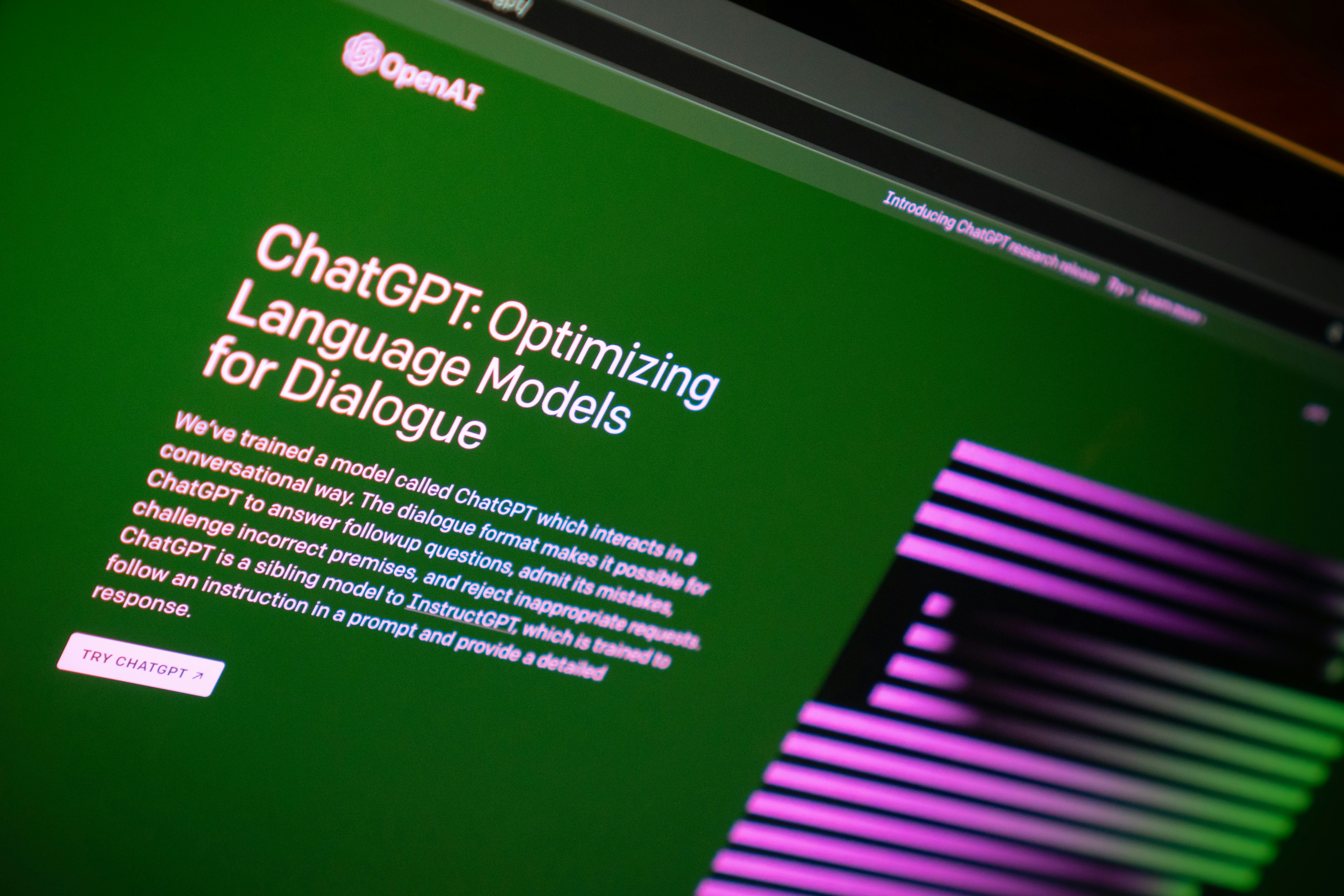
Introduction to AI Conversations and Safety
Artificial Intelligence (AI) conversations have become increasingly prevalent in various aspects of our daily lives, from customer service chatbots to virtual personal assistants. As the technology continues to evolve, the frequency with which humans engage in dialogue with AI systems has risen significantly. This shift presents a unique set of challenges and opportunities that require careful consideration. Ensuring safe interactions within these AI-driven conversations is paramount to fostering trust and enabling beneficial outcomes.
The potential risks associated with AI conversations are numerous and varied. One major concern is the dissemination of misinformation. As AI systems learn from vast datasets, the risk of generating incorrect or misleading information can escalate, particularly in high-stakes environments such as healthcare or legal advice. Without proper guardrails in place, users may inadvertently rely on inaccurate or harmful content, leading to detrimental consequences.
Another key issue is the presence of harmful content that may surface during conversations with AI tools. The ability of these systems to generate text based on user input raises the potential for offensive, discriminatory, or otherwise inappropriate responses. It is essential for developers to implement effective strategies to filter such content, thereby maintaining a safe environment for users.
Furthermore, user privacy concerns persist in the realm of AI conversations. Many AI systems require access to personal data to function effectively, raising questions about how this information is collected, stored, and utilized. Safeguarding user privacy is crucial to ensure that individuals feel secure when engaging in AI conversations, thus paving the way for more widespread acceptance and trust in these systems.
In conclusion, addressing the risks associated with AI conversations is vital in order to create an environment where users can engage safely and productively with these advanced technologies.
Understanding Guardrails: What Are They?
In the context of artificial intelligence (AI) conversations, guardrails are essential frameworks designed to ensure safe and appropriate interactions between AI systems and users. These protective measures act as boundaries that guide AI behavior, helping to establish clear limits on acceptable topics and engagement norms. The implementation of guardrails significantly reduces the likelihood of unsafe or harmful interactions, making them integral in fostering trust and safety in AI applications.
Guardrails can take various forms, including content filters that block inappropriate language or sensitive topics, as well as programmed guidelines that dictate the tone and manner in which AI communicates. For instance, AI models may employ natural language processing algorithms to identify potentially harmful queries and respond appropriately. Such responses may range from providing educational information to redirecting the conversation toward safer subjects.
Moreover, guardrails are not solely reactive; they can be proactive in their design. For example, some AI systems incorporate user prompts that inform users about the limitations of the conversation, setting the stage for healthier interactions. This can involve clarifying that the AI is not equipped to provide medical advice or facilitate discussions about illegal activities. By creating an environment where users understand the boundaries of the conversation, guardrails enhance user experience while maintaining safety.
Additionally, guardrails can utilize machine learning techniques to continuously improve and adapt their effectiveness. By analyzing user interactions, AI systems can refine their understanding of harmful content and adjust their responses accordingly. This iterative process ensures that the protective measures evolve over time, aligning with changing societal standards and expectations regarding acceptable communication.
The Role of Nemo Guardrails in AI Safety
Nemo Guardrails represent a significant step forward in ensuring safe interactions with artificial intelligence systems. As AI continues to permeate various sectors, maintaining the integrity of conversations becomes critically important. Nemo Guardrails achieve this by meticulously defining boundaries within which AI operates, ensuring that the content generated adheres to established guidelines.
The technology behind Nemo Guardrails leverages advanced machine learning models that are trained to understand proper conversational context. By analyzing vast datasets, these models identify potentially harmful or inappropriate responses, effectively filtering out noncompliant outputs. This proactive approach not only enhances the quality of AI interactions but also minimizes risks associated with misguided or harmful dialogue.
Nemo Guardrails focus on several key areas to uphold conversation safety. Firstly, they address issues related to content appropriateness, thereby preventing the generation of offensive or harmful remarks. This is crucial in maintaining user trust and promoting a safe environment for all participants in a discussion. Additionally, Nemo Guardrails are engineered to avoid misinformation, ensuring that the responses provided are accurate and factual. This helps in reinforcing the reliability of AI systems as they engage in dialogue with users.
Furthermore, the adaptability of Nemo Guardrails to various contexts sets them apart. They can be customized for specific applications, whether it involves customer support, educational platforms, or other service-based industries. By aligning the guardrails with the unique requirements of different domains, Nemo offers a flexible solution that enhances safety and conversation integrity.
Types of Risks Mitigated by Guardrails
In the evolving landscape of artificial intelligence, there are inherent risks associated with AI conversations that necessitate the implementation of robust guardrails. These guardrails function as protective barriers designed to mitigate several types of potential harm, including hate speech, misinformation, and abusive language. Each of these risks poses significant challenges, both to users and to society at large.
Hate speech is one of the most pervasive concerns in digital communication. AI systems that interact with users must be equipped to recognize and respond appropriately to language that promotes discrimination or violence against particular groups. Without guardrails, an AI might inadvertently propagate hate speech, leading to real-world consequences and societal division. For instance, a dialogue-driven AI could mistakenly validate harmful stereotypes, causing distress to affected communities.
Misinformation is another critical area where guardrails play a vital role. The rapid spread of inaccurate or misleading information can have damaging implications, particularly in contexts such as health, politics, and public safety. Guardrails help in monitoring AI-generated content, ensuring that statements lacking factual basis or clarity do not get disseminated. An example of this can be seen in situations where an AI may be asked for medical advice; without proper constraints, the risk of providing incorrect recommendations increases.
Additionally, abusive language can manifest during AI interactions, whether through user input or AI-generated responses. In environments where users engage in open dialogue, the potential for abusive or threatening content escalates. Guardrails work to identify and filter this type of harmful output, fostering a safer communication space.
Overall, the presence of guardrails in AI conversations is paramount, addressing diverse risks and ensuring that these systems promote constructive dialogue while safeguarding users from potential harm.
How Guardrails Enhance User Trust
The implementation of guardrails in artificial intelligence (AI) interactions is increasingly recognized as a crucial factor in fostering user trust. These guardrails, such as the Nemo guardrails, serve as safety measures that help guide and limit AI responses to ensure they align with ethical standards and user expectations. This framework can significantly influence how users perceive their interactions with AI technology.
From a psychological perspective, users often feel anxious when engaging with AI systems, given the uncertainty surrounding how these technologies operate. Guardrails act as reassurance, providing a sense of safety and predictability. When users know that there are protective measures in place, they are more likely to engage with the technology without fear of encountering inappropriate or harmful content. This foundational trust is essential for enhancing user satisfaction and encouraging more frequent interactions.
Moreover, effective guardrails contribute to a positive user experience by improving the quality of AI responses. By minimizing the likelihood of encountering inappropriate or misguided outputs, users can focus on the value that the AI brings to their tasks. The presence of Nemo guardrails not only enhances the accuracy of these interactions but also aligns AI communications with societal norms and values, further strengthening user confidence. As a result, users are more likely to perceive AI technologies as reliable tools that respect their safety and preferences.
In conclusion, the establishment of guardrails within AI systems is pivotal in cultivating trust and satisfaction among users. By ensuring that safety and ethical standards are met, guardrails like Nemo not only enhance the overall user experience but also promote the continued adoption of AI technologies across various sectors. The effectiveness of these measures underlines the importance of prioritizing user trust in the development of AI solutions.
The Technology Behind Guardrails
Guardrails in AI conversations employ a combination of advanced algorithms, machine learning methodologies, and natural language processing (NLP) techniques to ensure safe interactions. These technologies function cohesively, allowing AI systems to understand context, identify inappropriate content, and regulate user interactions effectively.
At the core of guardrail technology are algorithms designed to analyze the vast amounts of data generated during conversations. These algorithms are trained on multiple datasets, which include both safe and unsafe interactions. Through this training process, the AI learns to recognize patterns associated with harmful language and behavior. The adaptability of these algorithms enables them to evolve continuously, thereby staying updated on emerging trends in language and user behavior.
Machine learning plays a pivotal role by facilitating the AI’s ability to learn from experience and improve over time. By employing supervised and unsupervised learning techniques, the algorithms enhance their understanding of context and sentiment. For instance, supervised learning can help the AI differentiate between a harmless joke and a potentially offensive comment. Meanwhile, unsupervised learning allows it to explore and categorize new patterns of language without prior labeling, contributing to a more robust understanding of human communication.
Natural language processing is the backbone of how guardrails comprehend and respond to user inputs. NLP techniques empower the AI to parse and analyze language at a nuanced level. Tokenization, entity recognition, and sentiment analysis enable the AI to assess the emotional tone of statements, ensuring that it can react appropriately in sensitive situations. By integrating these technologies, guardrails create an environment where AI conversations remain respectful and informative, reducing the risk of misunderstandings or offensive exchanges.
Real-World Applications and Case Studies
The implementation of guardrails in AI systems has resulted in significant advancements in maintaining the safety and reliability of conversational agents. Various organizations across different sectors have employed guardrail frameworks, leading to notable enhancements in user interaction and risk reduction.
One of the pioneering examples of guardrails in AI conversational applications is evident in the healthcare sector. Numerous healthcare platforms have integrated guardrails to ensure patient safety during interactions with chatbots. For instance, a leading telehealth provider has adopted Nemo guardrails into its AI chat system. This has effectively minimized the risks of misinformation while ensuring that sensitive patient data is handled securely, thereby fostering trust and compliance with regulatory standards.
In the financial services industry, organizations are also leveraging guardrail frameworks to enhance customer service experience. A prominent online banking institution implemented these measures to steer conversations away from discussing risky financial practices. With robust guardrails in place, the bank’s AI can promptly redirect customers to licensed professionals for complex financial inquiries, thus ensuring adherence to legal guidelines and safeguarding customer interests.
Furthermore, the entertainment industry has explored the use of guardrails within AI-driven chatbots designed for user engagement. A well-known streaming platform employs strict conversational guardrails to navigate discussions around sensitive content and user preferences. By implementing such frameworks, the platform has successfully reduced instances of inappropriate content generation while promoting a safer interactive experience.
These case studies illustrate the versatility and effectiveness of guardrails like Nemo in real-world applications. By embedding safety measures within AI conversational systems, organizations can not only enhance user satisfaction but also uphold ethical standards, ultimately leading to responsible AI deployment.
Challenges and Limitations of Current Guardrail Systems
The implementation of guardrail systems designed to ensure safe AI interactions presents several challenges and limitations. One critical issue is the adaptability of AI to emerging and unforeseen risks. As AI technologies evolve and become more sophisticated, the threats they encounter can also change dramatically. Existing guardrails, which are often based on pre-defined parameters, may struggle to accommodate these evolving scenarios, leading to potential vulnerabilities within conversations. The static nature of many current guidelines hinders their ability to adapt swiftly to new forms of misuse or unintended outcomes.
Additionally, there exists a delicate balance between over-regulation and ensuring the effectiveness of AI conversations. Guardrails must be stringent enough to mitigate risks, but overly stringent regulations can stifle creativity and hinder the fluidity of communication. This creates a paradox whereby guardrails intended to protect can inadvertently hamstring the dynamic and expansive nature of AI discussions. Striking this balance is essential for maintaining the quality of engagement while safeguarding users.
Moreover, current guardrail systems may not fully meet expectations in real-world applications. Many platforms rely on predefined keywords or phrases to signal inappropriate content; however, context often plays a pivotal role in conversations. Guardrails that operate solely on keyword recognition may fail to detect nuances that are critical to understanding whether dialogue is harmful or merely uses controversial terms. Furthermore, the diversity of user demographics and cultural contexts can complicate the guardrail’s effectiveness, as what is deemed appropriate in one setting may not be the same in another. Addressing these limitations will be crucial for enhancing the efficiency and reliability of guardrail systems in the future.
Future Directions for Guardrails in AI Conversations
As artificial intelligence technology continues to evolve rapidly, the implementation of guardrails has become increasingly imperative to ensure safe and effective AI conversations. Looking ahead, several anticipated developments in technology and approaches to enhance safety are likely to shape the landscape of AI dialogues.
One significant direction is the integration of advanced machine learning algorithms that can learn and adapt over time. These algorithms can potentially refine the guardrails by analyzing vast datasets of interactions, identifying patterns, and understanding user behaviors. This adaptive mechanism could enhance the guardrails’ accuracy, enabling them to preemptively mitigate risks and provide tailored responses tailored to various user needs. By learning from past conversations, AI systems could become more adept at recognizing inappropriate or harmful content, thereby improving the safety of conversations.
Furthermore, the evolving landscape of AI ethics will play a crucial role in shaping future guardrails. The demand for ethical AI is growing, prompting developers and organizations to prioritize transparency and accountability in AI systems. Collaboration among tech companies, ethicists, policymakers, and community stakeholders will be essential in establishing universally accepted standards and guidelines for ethical AI conversations. These guidelines would provide a framework for continuous improvement, ensuring that AI systems’ design and deployment respect user rights and promote positive interactions.
The rapid advancements in natural language processing (NLP) and sentiment analysis technologies will further inform the development of more sophisticated guardrails. With improved understanding of context and nuances in human language, AI systems will be better equipped to manage diverse conversational topics while maintaining a focus on safety and user engagement. The incorporation of these technologies will not only enhance user experience but also create more meaningful interactions between AI and users.
In conclusion, the future directions for guardrails in AI conversations appear promising, driven by technological innovation and a growing emphasis on ethical standards. Continuous engagement with emerging technologies and ethical frameworks will be key to ensuring that AI conversations remain safe, constructive, and beneficial for all users.