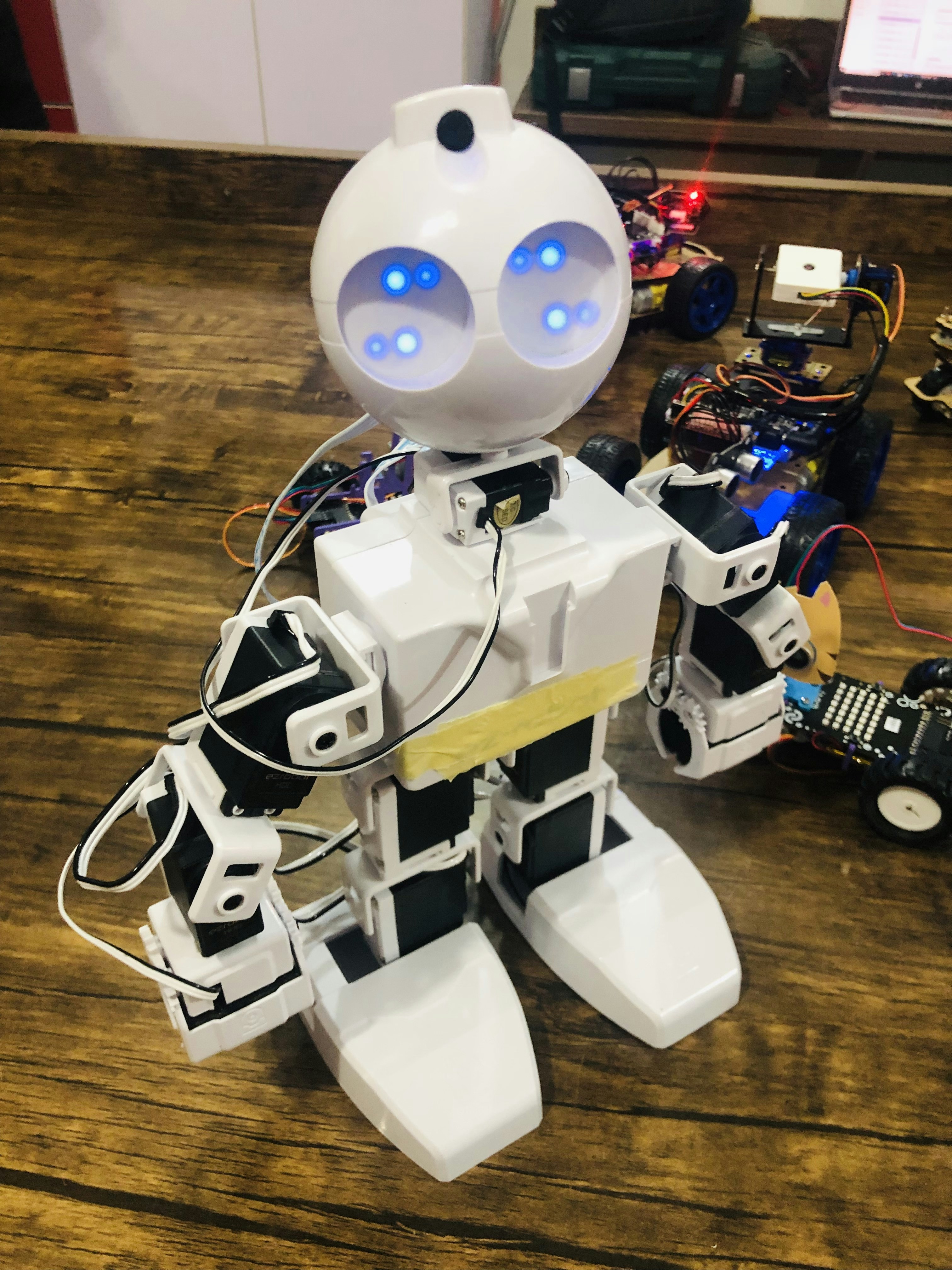
Introduction to Autonomous Agents and Safety Risks
Autonomous agents are systems capable of performing tasks in an automated fashion with little to no human intervention. These agents utilize artificial intelligence (AI) and machine learning algorithms to interpret environmental data, make decisions, and execute actions aimed at achieving specific goals. The scope of autonomous agents encompasses various sectors, notably transportation, healthcare, and manufacturing, revolutionizing how industries operate.
In transportation, for instance, autonomous vehicles are designed to navigate roads and make driving decisions independently. This technology promises enhanced efficiency and reduced road accidents, yet questions regarding safety and reliability persist. Meanwhile, in healthcare, autonomous agents are deployed in applications ranging from surgical robots to patient monitoring systems. While they have the potential to improve patient outcomes, the risk of technical failures or erroneous judgments can have dire consequences. In manufacturing, robotic systems enhance productivity and ensure quality control but also pose risks of workplace injuries and dependency on technology.
The integration of these autonomous systems introduces complex dynamics that require careful consideration of their safety implications. As industries adapt to these innovations, it becomes crucial to address potential risks linked to their deployment. These risks encompass both the technology itself—such as software bugs or hardware malfunctions—and the unintended consequences that autonomous agents may trigger within work environments and society at large.
This discussion lays the groundwork for a deeper exploration into the safety risks associated with autonomous agents. Understanding the multifaceted nature of these risks is imperative as we advance further into an era dominated by automation and intelligent systems, highlighting the importance of robust safety measures and risk management strategies.
Types of Autonomous Agents
Autonomous agents can be categorized into several distinct types, each having unique functionalities, operational environments, and applications. The most notable types include drones, self-driving cars, and robotic assistants, which play a significant role in various sectors, ranging from transportation to healthcare.
Drones, also known as unmanned aerial vehicles (UAVs), are aircraft that operate without a human pilot onboard. They can be remotely controlled or operate autonomously using software-controlled flight plans embedded in their systems. Drones have become increasingly popular for tasks such as aerial photography, agricultural monitoring, and delivery services. Their ability to access remote or dangerous locations makes them valuable in search and rescue operations, environmental monitoring, and military applications. However, their integration into public airspace raises significant safety and regulatory concerns.
Self-driving cars represent another prominent category of autonomous agents. These vehicles utilize advanced sensors, artificial intelligence (AI), and machine learning algorithms to navigate without human intervention. They are designed to improve road safety, reduce traffic congestion, and provide enhanced mobility for individuals unable to drive. Self-driving technology continually evolves, with several companies engaged in testing and deployment. Nevertheless, the complexities of varying road conditions, traffic regulations, and ethical considerations present considerable challenges that must be addressed to ensure safe operation.
Robotic assistants encompass a variety of devices designed to support humans in daily tasks. From personal home assistants that manage household functions to industrial robots that operate in manufacturing settings, these autonomous agents enhance efficiency and productivity. Their applications extend to healthcare, where robots can assist in surgeries or provide companionship to the elderly. As with other types of autonomous agents, the safety of robotic assistants hinges on their interaction with humans and the environments in which they function.
Common Safety Risks of Autonomous Agents
As autonomous agents continue to proliferate across various sectors, they are accompanied by distinct safety risks that can jeopardize efficiency and safety. Among these risks, software malfunctions represent a significant concern. Autonomous systems rely heavily on complex software, where any coding error can lead to unpredictable behavior. For instance, in 2015, a software bug in a Google self-driving car resulted in an accident where the vehicle made an incorrect maneuver, prompting concerns about the reliability of such technology.
Another notable risk stems from environmental unpredictability. Autonomous agents must navigate and perform tasks in constantly changing environments, where unexpected obstacles or dynamic conditions may arise. The challenge becomes especially apparent in outdoor robotics, which must contend with unpredictable weather patterns, varying terrain, and potential obstructions like pedestrians or vehicles. A pertinent example can be seen in autonomous drones used for delivery, which may encounter sudden gusts of wind, causing deviations from their intended flight path.
Additionally, cybersecurity threats to autonomous agents cannot be overlooked. Just like any digital system, these agents are susceptible to hacking and malicious attacks, potentially leading to catastrophic consequences. A stark illustration occurred in 2016 when a group of hackers took control of a fleet of autonomous vehicles, showcasing how a breach in cybersecurity can compromise both the vehicles and their surrounding infrastructure. This highlights the pressing need for robust security protocols and ongoing vigilance against potential threats.
In sum, while autonomous agents hold immense promise for improving efficiency and productivity, understanding and mitigating the safety risks associated with them is imperative. Addressing software malfunctions, environmental unpredictability, and cybersecurity threats will be crucial in ensuring the safe deployment of these advanced technologies.
Case Studies of Autonomous Agent Failures
Autonomous agents, including self-driving vehicles, drones, and robots, have exhibited significant potential to enhance efficiency across various sectors. However, instances of failure have raised critical concerns regarding safety and reliability. This section presents notable case studies that underscore the risks associated with the deployment of autonomous technology.
One of the most discussed failures in the realm of self-driving vehicles occurred in March 2018, when a pedestrian was fatally struck by an Uber autonomous car in Tempe, Arizona. The car’s software misidentified the pedestrian, failing to recognize her as an imminent danger until it was too late. Investigations revealed that the vehicle’s sensors had detected the pedestrian, but the action taken to engage the brakes was inadequate. This incident highlighted not only the limitations of current sensor technologies but also raised questions about the adequacy of the algorithms used to interpret complex traffic scenarios.
Another significant case involves an autonomous drone system implemented for agricultural monitoring, which crashed into a populated area due to a software malfunction. The drone, designed to autonomously navigate fields and collect data, lost its GPS signal and defaulted to a fail-safe mode that was not equipped to handle urban environments. Factors contributing to this failure included insufficient pre-flight checks and a lack of contingency protocols for signal loss. This incident emphasized the importance of robust programming and the necessity of incorporating multifaceted navigation capabilities in autonomous systems.
These case studies illustrate that while autonomous agents have the potential to transform numerous industries, their failures can result in dire consequences. Understanding the underlying factors that lead to these incidents is essential for improving safety protocols and ensuring that future iterations of autonomous technology are more reliable. Comprehensive testing and enhanced regulatory frameworks must be integrated into the development processes to mitigate such risks.
The regulatory landscape for autonomous technology is complex and ever-evolving, reflecting the rapid advancements in artificial intelligence and robotics. Governments and organizations face numerous challenges in establishing safety standards and protocols that can adequately address the unique risks associated with autonomous agents. The absence of universally accepted regulations has led to inconsistencies in how safety policies are implemented across different regions and industries.
One major challenge is the speed at which technology is developing, often outpacing the regulatory frameworks designed to govern it. As autonomous systems become more sophisticated, regulators must balance the need for innovation with the imperative to ensure public safety. Policymakers are tasked with understanding intricate technologies and their potential risks, which can be a daunting endeavor. Additionally, the complexities of determining liability in cases of accidents involving autonomous agents further complicate regulatory efforts.
International regulations also play a crucial role in the development and deployment of autonomous technology. Different countries have varied approaches to regulation, which can lead to significant challenges for global organizations operating in multiple jurisdictions. For instance, some nations may prioritize development and investment in autonomous solutions, while others may enforce stricter regulations aimed at cautioning against potential harms. This discrepancy can hinder collaboration and innovation on a global scale.
The establishment of harmonized international standards is essential for advancing autonomous technology safely and ethically. Various organizations, including the International Organization for Standardization (ISO), are working towards creating guidelines that can be applied across borders. Ultimately, the effective regulation of autonomous agents will require close cooperation between governments, industry stakeholders, and researchers to create an environment that nurtures innovation while prioritizing safety.
Ethical Considerations in Autonomous Agent Development
The development of autonomous agents introduces a myriad of ethical considerations that are crucial to ensuring their safe deployment. As these systems become increasingly integrated into society, understanding the moral implications of their actions is vital. Central to this discussion is the issue of accountability. Who bears responsibility when an autonomous agent makes a decision that results in harm? This question becomes particularly pressing in scenarios where autonomous systems operate in high-stakes environments, such as healthcare or transportation.
Moreover, the decision-making processes of autonomous agents raise concerns regarding transparency and fairness. These systems often rely on algorithms that may inadvertently reflect biases present in their training data, leading to ethical dilemmas in how they interact with diverse populations. The ability to scrutinize the decisions made by these agents is vital for public trust, and the lack of clarity regarding their operational frameworks can be perceived as a significant safety risk.
Additionally, the morality of risks taken by autonomous agents is a pressing concern, especially in situations where the potential for harm exists. For instance, when an autonomous vehicle encounters a scenario where a collision is unavoidable, the ethical programming that guides its decision—whether to prioritize the safety of its passengers or pedestrians—has profound moral implications. Such dilemmas highlight the need for well-defined ethical guidelines that govern the behavior of these systems.
In examining these concerns, it becomes clear that integrating ethics into the development of autonomous agents is not merely a theoretical exercise but a practical necessity. By prioritizing ethical considerations, developers can ensure that safety risks are managed effectively, fostering a more secure and responsible deployment of autonomous technologies in society.
Addressing Safety Risks: Solutions and Innovations
As the adoption of autonomous agents continues to increase across various sectors, ensuring their safety becomes paramount. A multitude of strategies, technologies, and innovations are actively being implemented to mitigate the associated safety risks. Central to these efforts is the advancement of artificial intelligence (AI), which plays a crucial role in enhancing the operational safety of autonomous systems.
One significant advancement is the development of AI algorithms that prioritize safety through continuous learning and adaptability. These algorithms are designed to analyze vast amounts of data in real-time, enabling autonomous agents to make informed decisions in unforeseen circumstances. For instance, AI-driven perception systems equipped with deep learning techniques enhance the recognition of potential hazards, allowing for proactive measures to be taken before any incident can occur.
Robust testing procedures are also essential in the certification of autonomous agents. Industry stakeholders are increasingly adopting simulation-based testing, which allows for safe and controlled environments where various scenarios can be presented to the AI within autonomous systems. This approach not only accelerates the testing process but also significantly raises the reliability of the safety measures in place. Furthermore, by utilizing simulations, developers can address edge cases that might not be easily replicable in real-world conditions.
In addition to technological advancements, collaborative efforts across industries serve to enhance safety protocols for autonomous agents. Various sectors, including automotive, aerospace, and robotics, are forming alliances to share knowledge, resources, and best practices related to safety measures. This cross-industry cooperation fosters the development of standardized protocols that can be universally applied, ensuring that all autonomous agents meet a baseline level of safety irrespective of their specific application.
Through these combined efforts in AI advancement, rigorous testing, and collaborative strategies, the safety risks associated with autonomous agents are being systematically addressed, paving the way for a future where these technologies can operate safely and effectively in society.
Future of Autonomous Agents and Safety Predictions
The advancement of autonomous agents is likely to continue at an accelerated pace as society becomes increasingly reliant on technology across various sectors including transportation, healthcare, and manufacturing. This surge in innovation presents both exciting opportunities and significant safety challenges that demand careful consideration. As we gaze into the future, it is imperative to analyze the trends shaping the development of these technologies and the implications they pose for safety.
One major trend is the integration of artificial intelligence (AI) within autonomous agents, which enhances their decision-making capabilities. While this can lead to improved efficiency and performance, it raises concerns about accountability and the potential for unforeseen consequences. For instance, as AI systems become more complex, ensuring their decisions are transparent and understandable becomes increasingly difficult. This complexity could lead to safety risks, particularly in situations where decisions directly impact human lives.
Moreover, the rapid evolution of autonomous agents may outpace regulatory frameworks designed to ensure their safe deployment. Currently, many existing regulations are not sufficiently equipped to address the unique challenges posed by these technologies. As a result, we may see a lag in the establishment of safety standards, leading to inconsistencies in how autonomous agents operate across different regions and applications. This inconsistency can contribute to accidents and unintended harm, emphasizing the urgent need for comprehensive and adaptable regulatory measures.
Additionally, as these technologies proliferate, potential threats from malicious actors who aim to exploit vulnerabilities in systems can arise. Cybersecurity will become paramount, as hackers may target autonomous systems, leading to catastrophic outcomes if safety protocols are not robust. Balancing the need for innovation with the imperative for safety and security will be critical in shaping the future landscape of autonomous agents.
In conclusion, the future of autonomous agents is both bright and fraught with challenges. The interplay between technology advancement and safety must be navigated with care to harness the benefits while mitigating risks effectively.
Conclusion: The Path Forward for Safe Autonomous Agents
As technology continues to advance, the proliferation of autonomous agents in various sectors—including transportation, healthcare, and manufacturing—presents both opportunities and challenges. The discussions presented throughout this post have shed light on the significant safety risks associated with these technologies, such as potential malfunctions, cybersecurity threats, and ethical considerations. Addressing these risks is not solely the responsibility of one entity but a collective obligation involving governments, industries, and researchers.
Governments must establish rigorous regulatory frameworks to guide the development and deployment of autonomous agents. This includes setting safety standards, ensuring rigorous testing protocols, and facilitating the sharing of information about safety incidents. Ultimately, effective regulations can help mitigate risks and foster public trust in these technologies.
Industries, on the other hand, need to prioritize safety at every stage of the autonomous agent lifecycle. This involves incorporating safety measures during design, conducting comprehensive risk assessments, and ensuring that their systems are resilient against potential threats. By adopting a proactive approach to safety, industries can play a pivotal role in minimizing the risks associated with autonomous agents.
Researchers contribute to this path forward by continuing to explore innovative solutions to safety challenges. This includes developing advanced algorithms that enhance decision-making processes, improving the robustness of systems against cyber threats, and exploring avenues for ethical programming that align with societal values.
In conclusion, the safe deployment of autonomous agents is contingent upon a multidisciplinary approach involving collaboration among all stakeholders. By recognizing our shared responsibility and taking decisive actions, we can navigate the challenges presented by autonomous agents, ensuring that their benefits are realized while minimizing inherent risks.